
People Stories
Returning Home Doesn’t Always Mean Moving Back | 鄭元戎 & 錢心 and the Growth of Culture-Based Financial Learning in Fuxing
They live in Tamsui and both work in the life insurance industry, yet over the past few years they have continued to bring their time, professional experience and energy back to Fuxing. From volunteering and culture-based financial learning camps to youth proposals, children’s market practice, board-game design and future school materials, 鄭元戎 and 錢心 are gradually becoming important local contributors.
Returning home does not always mean changing your address. It can also be a choice expressed through action—bringing time, skill and care back to a place again and again.
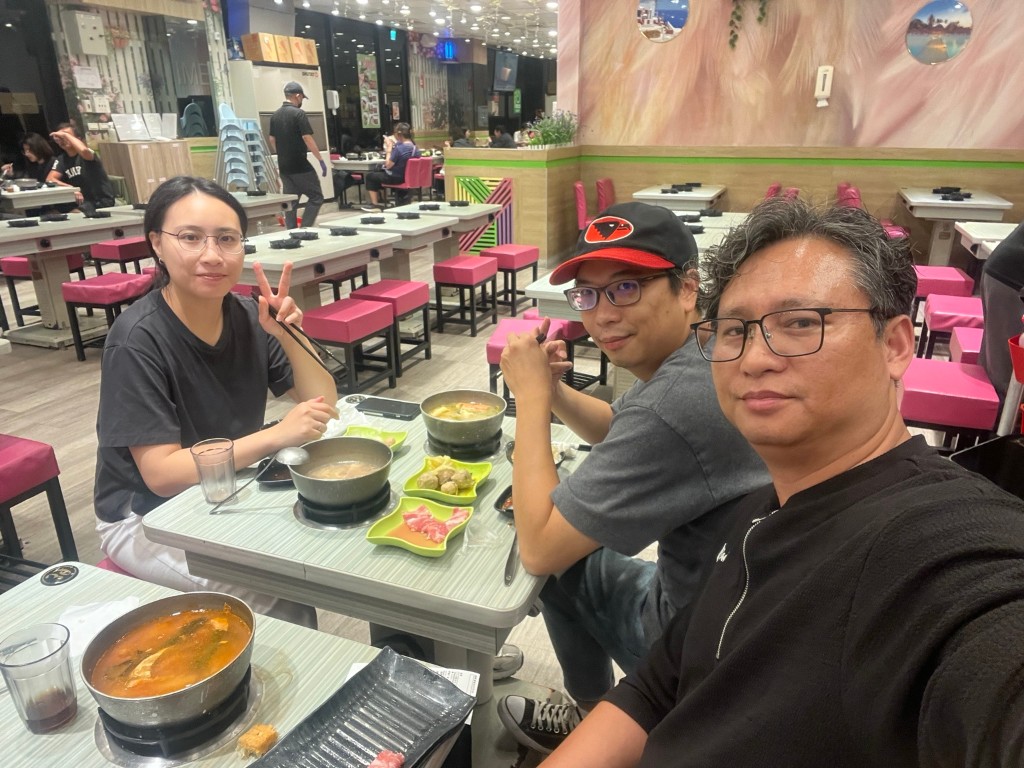
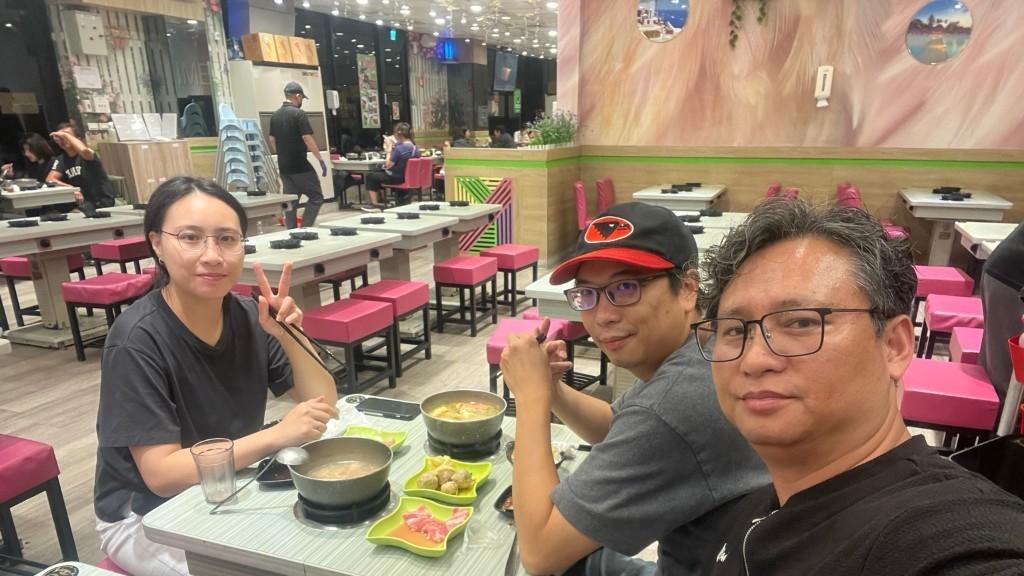
Returning home does not always mean moving back
I have known 鄭元戎 and 錢心 for longer than a single event. Watching them stay involved over the past few years, I have come to see their story as one worth telling carefully. When people talk about young people “returning home,” the image that comes to mind is often someone quitting a city job, moving back, and starting a local business. Reality is not always that neat. 鄭元戎 and 錢心 still live in Tamsui, New Taipei. Both work in the life insurance industry. Like many people, they work, live and care for family life outside Fuxing. But they did not cut the connection. They chose another way of coming back. Not by changing their household registration first, but by continuing to bring time, professional experience and practical action home. Returning home can also be a choice expressed through action.
It started with volunteering
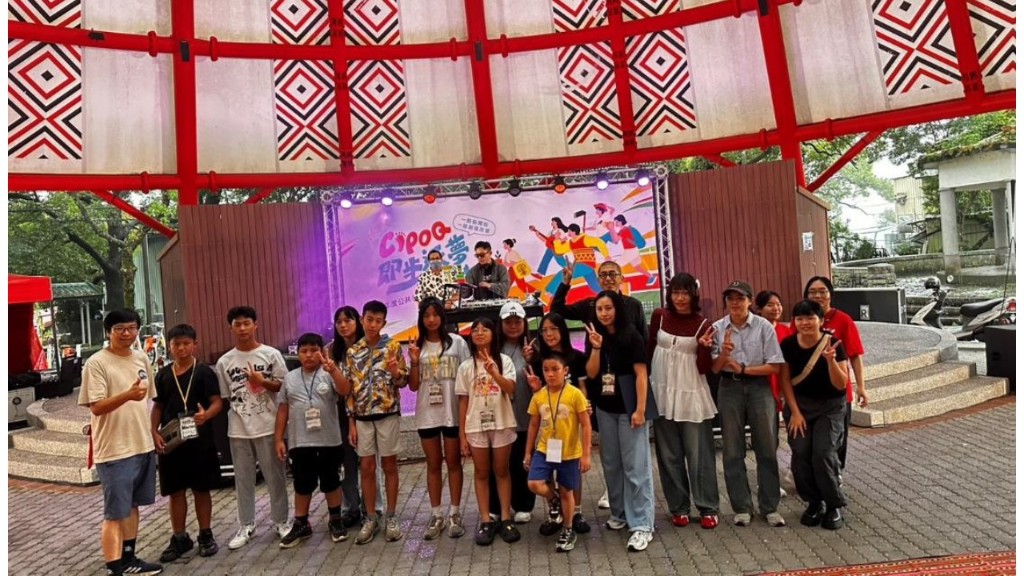
One of the earliest moments we truly worked together was during the first communal-food gathering in Xuewunao. They did not arrive as project leaders, and they were not carrying a plan of their own. They simply came to help—volunteering on site and taking care of the practical work. Many local relationships begin that small. Not with a partnership proposal. Not with a conversation about who controls which resource. But by doing something together first. Through that, people learn how others work, and whether someone is willing to stay. Later they also joined Mountain School. And through repeated exchange, culture-based financial learning gradually became clearer as a shared direction.
Culture and financial literacy belong in the same life
At Mountain School we began asking a practical question: Could Atayal culture remain the center of learning, while financial literacy entered the real situations children would eventually face? Rural communities need culture. But as children grow, they also face markets, work, income, spending, risk and choice. Culture and economic life should not be treated as separate subjects. So we began translating living cultural wisdom into forms children could understand. Granaries and rat guards can open conversations about risk. Hunter knowledge can open conversations about resources, sustainability and what should be kept for later. Local produce, harvesting, purchasing and selling can open conversations about cost, price and income. Financial learning is not only the memorizing of terms. It begins with culture and daily life: What value do we hold in our hands? Why is something priced this way? What is the difference between income and cost? After earning something today, what should come next? Culture is not decoration around financial education. It is the foundation.
Giving the work a name: culture-based financial learning
Along the way I remain grateful to 胡財源. He reminded us that if we kept doing this work, we also needed to name it clearly—its direction, method and core idea. Much local work begins with “do first, define later.” But if the method is never organized, the effort can stay stuck as a one-time activity. Because of that reminder, we began using the language of culture-based financial learning more deliberately. Not culture as packaging for finance. But cultural life-wisdom as the starting point for the economic understanding children need in the world they actually live in.
From joining the work to carrying it forward
This year felt like a real turning point. Earlier, it often looked like our team was leading more of the work. This time, I hoped the accumulated experience could be handed forward. 鄭元戎 and 錢心 were willing to take responsibility. So we stepped back from the front and supported from behind—helping shape proposals, discuss curriculum and review content, while asking what culture-based financial learning could still become. We also supported their youth community participation / Changemaker proposal, which was approved. Through “雪霧鬧起來,” they began carrying out: 獵金智慧:雪霧鬧泰雅青年理財永續營 This was no longer only helping at one event. They were beginning to carry the work themselves.
Children take financial learning into the market
One part of this camp I especially value is that learning did not stop in the classroom. After cultural, daily-life and financial sessions, the children entered the market. They met local produce. They interacted with farmers. They harvested and purchased. They thought about cost. They decided prices. Then they brought goods to a real stall and faced real customers. The first time a child has to ask: “How much should I sell this for?” “How much did it cost me?” “Why would someone buy from me?” the learning is already different from a textbook. In the October practice, children carried what they learned in the multi-day Mountain School camp into a real market setting—purchasing, preparing, pricing and selling. Not a simulation. A real attempt. The market became part of the classroom.
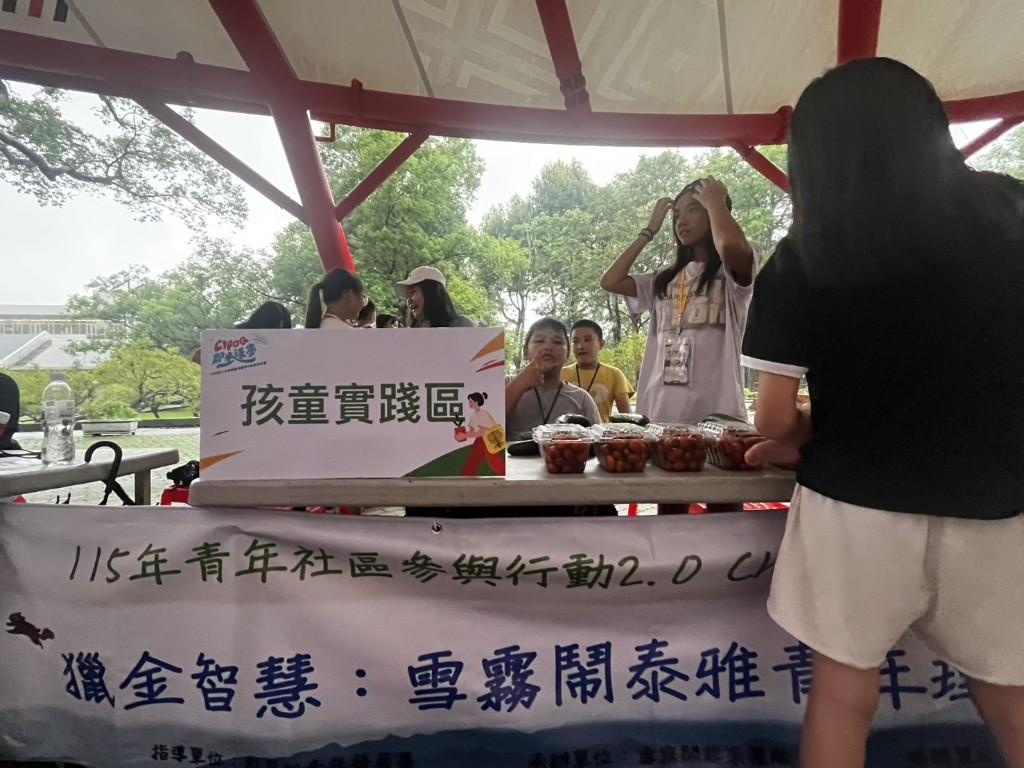
Children bring what they learned about cost, pricing and choices into a real practice setting.
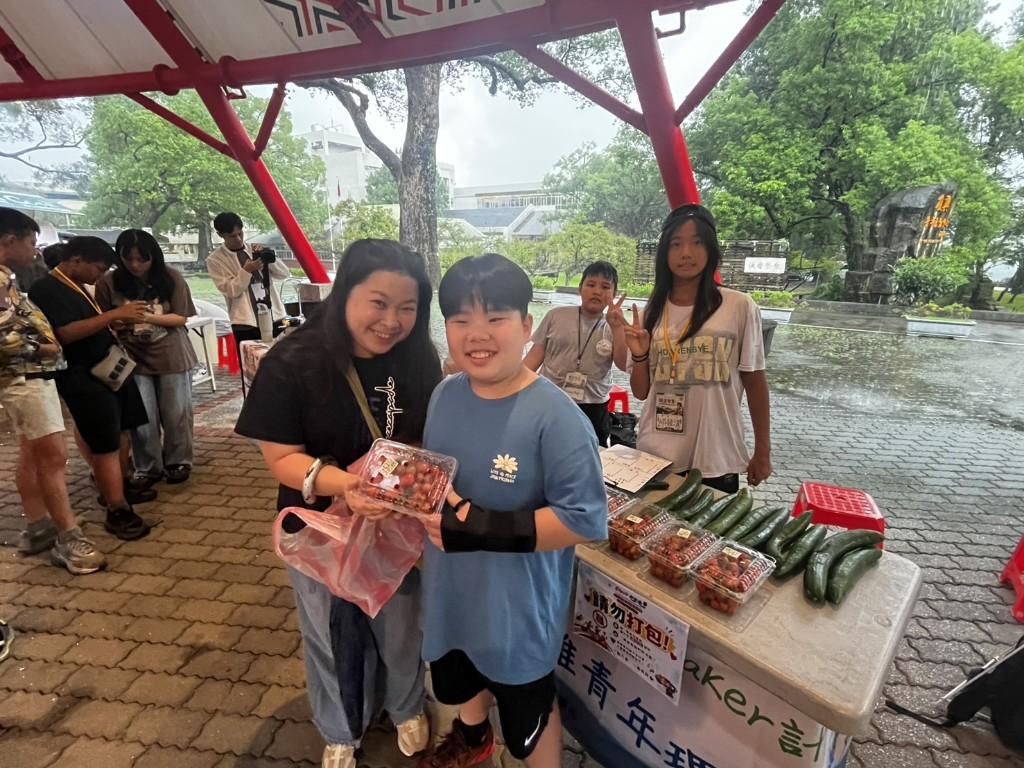
From produce and purchasing to pricing and meeting real customers, the market becomes another classroom.
From a camp to board games and school materials
鄭元戎 and 錢心 are now continuing to organize what they have learned into forms that can last: - culture-based financial board games - experiential learning activities - teaching materials - lesson plans that could enter schools If one day children encounter this learning not only because they joined a camp, but also through schools, communities and other education settings, then the work begins to take root. 鄭元戎 has also taken on youth accompaniment and local connection work within Fuxing youth action. That is the largest change I have seen over these years: from joining activities, to helping run them, to proposing plans, to carrying a local issue.
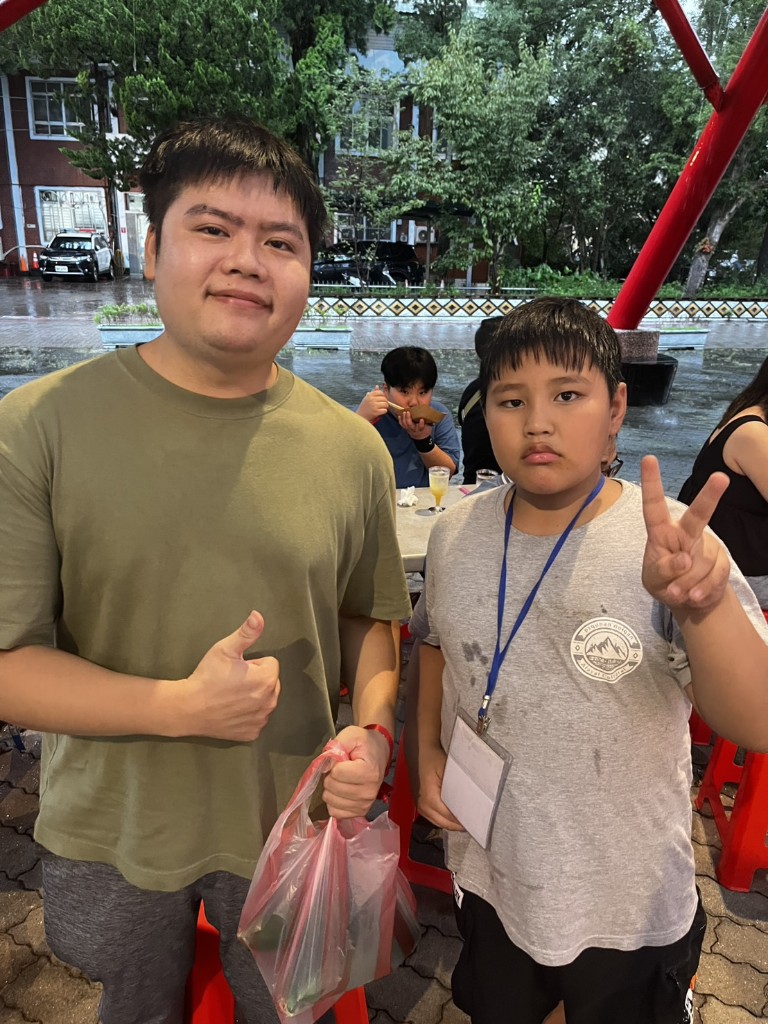
Collaboration is not about being first
This has also become one of my deepest lessons in recent years. Local collaboration is easy to write into a proposal. The hard part is different: how many people are willing to let go of “it has to be me”? If everyone insists on standing at the front—largest name, most resources, first recognition—real cooperation becomes difficult. Collaboration does not mean everyone competing to stand at the front. Different people can take different roles: starting, teaching, developing, connecting markets, organizing resources, or supporting from behind. Who started first matters less than whether the work can continue. What matters more is whether, when someone is truly willing to carry a responsibility, the rest of us can bring experience, resources and capacity in ways that help them walk more steadily.
Sometimes supporting from behind is the right role
I have also spoken directly with 鄭元戎 and 錢心. If they are willing to keep building culture-based financial learning, I hope they can become an important long-term role in this place. Not everything needs to sit under my name. The experience Mountain School has accumulated, the path we have walked, and the partnerships we have built can continue to support them. A place does not need one person who does everything. It needs many people who gradually find positions where they can be trusted and needed. If they are willing to take responsibility, I am glad to support from behind. That, to me, is where collaboration becomes meaningful.
Returning home can be an action
They still live in Tamsui. They still work and live in the greater Taipei area. They are not the stereotype of young people who quit everything and move back overnight. But over these years they have repeatedly brought their own time back to Fuxing: volunteering, running camps, writing proposals, accompanying children, developing materials, designing board-game ideas, and joining youth work. Again and again. So I increasingly believe: returning home is not only a geographic decision. It can also be an action. You can work elsewhere. You can live in the city. And still ask: “Is there a part of what I know how to do that I can bring home?” That is the path 鄭元戎 and 錢心 are walking.
Every place needs more people finding their position
A place is not made better by one person alone. And not everyone needs to become the person at the front. What lasts is cooperation where some people move forward, others fill gaps, some begin, and others deepen the work. 鄭元戎 and 錢心 are gradually finding their place. What we can do is make more room for people who are willing to carry responsibility. If you also live and work away from home, maybe the first question does not have to be: “Should I move home?” Sometimes the better first question is: “Is there something I already know or can do that I can bring home?” We welcome you to share your thoughts with us.
Returning home can also be a choice expressed through action.
Owner field narrative and verified photo set, 2026
Source type: Oral account