
Culture Stories
One Day as a Fisherman | I Thought We Were Just Catching a Fish — Then Xuewunao Turned Into a Full Day of Atayal Life
What sounded like a simple trout-catching experience turned into an entire day of Atayal life in Xuewunao: catching fish, making Kuni na Qulih, cooking over fire, gathering native plants for pizza, sharing food and local stories, and ending with MAGAL gifts and poetry stamps.
What sounded like catching a trout and sharing a local meal became a full day of Atayal life in Xuewunao—playful, surprising, and far deeper than expected.
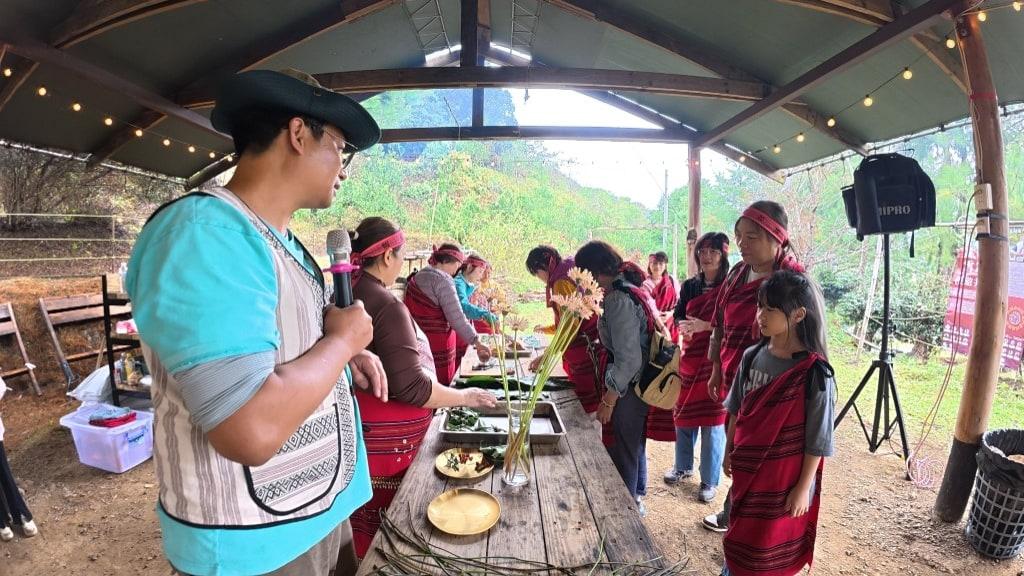
I thought we were just here to catch a fish
Before arriving in Xuewunao, the experience sounded simple: catch a trout, learn a little about the village, eat a local meal and head home. That was not what happened. By the end of the day, we had stepped into the trout pond, prepared food with leaves and vines, cooked around a wood fire, gathered local plants, made pizza, listened to stories of village life and finished with a handmade MAGAL travel set and poetry stamps. It was playful and full of surprises. But it was also far deeper than expected.
You actually get into the water
The One-Day Fisherman experience begins exactly where it should: in the water. With a net in hand, travelers enter the trout pond and quickly discover that catching a fish is much harder than it looks. The trout turn fast. They slip past the net. Everyone starts laughing. And when someone finally catches one, it matters. Because the fish that later appears at the table is no longer simply “lunch.” You have already been part of its story.
左右滑動看更多照片
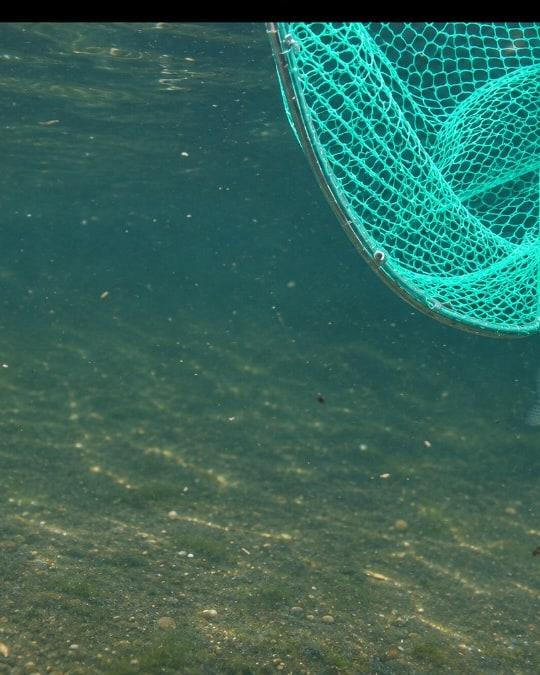
The trout turn fast.
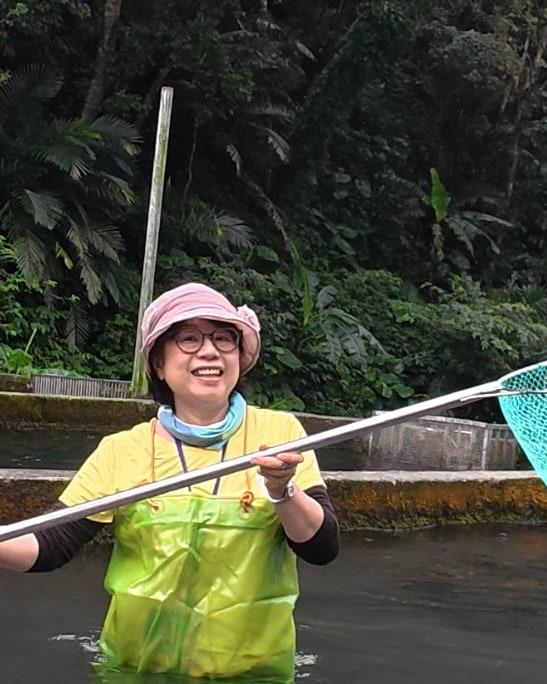
When someone finally catches one, it matters.
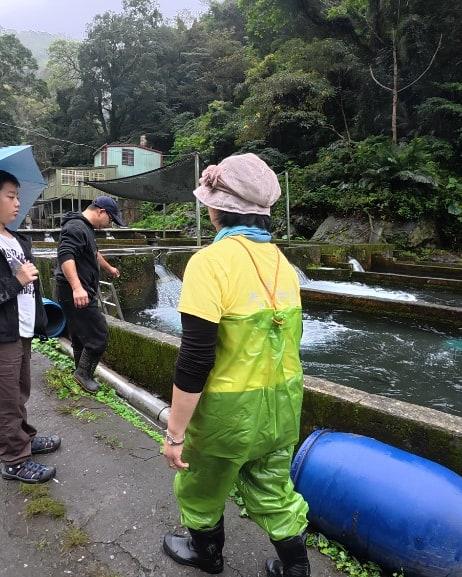
You actually get into the water.
The trout becomes Kuni na Qulih
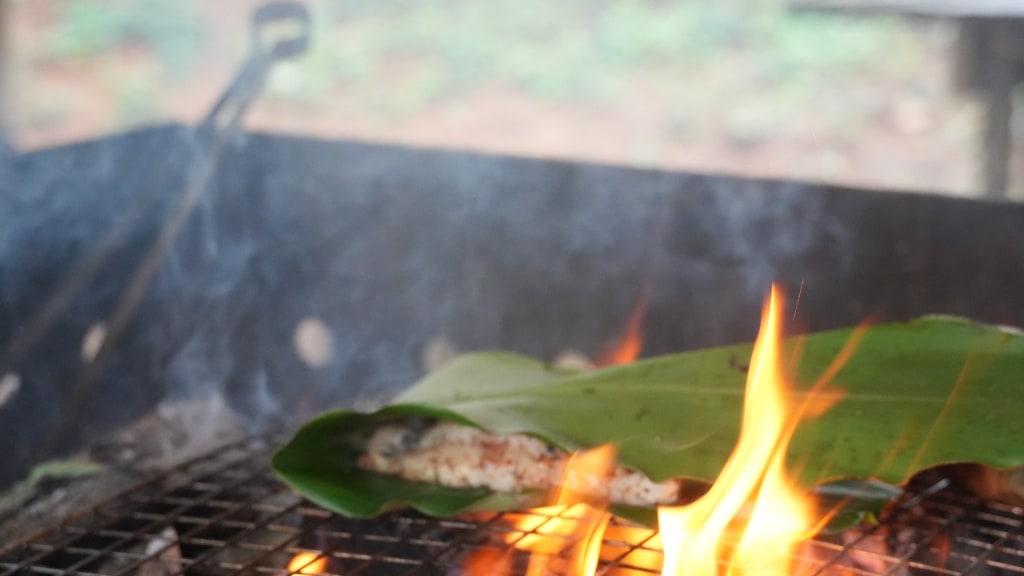
The next surprise is learning how fish becomes part of a traditional Atayal food practice. One of the most memorable dishes is: Kuni na Qulih — fish wrapped in leaves and cooked over fire. The fish is seasoned and placed inside large leaves. No plastic. No aluminum foil. The bundle is folded and tied using vine. Watching someone demonstrate it looks simple. Doing it yourself is another story. The way the leaf folds and the way the vine is tied both come from practical knowledge shaped by mountain life. Then the bundle goes directly onto the fire. As the leaves darken and the aroma begins to escape, everyone naturally moves closer. This is where food becomes more than food.
左右滑動看更多照片
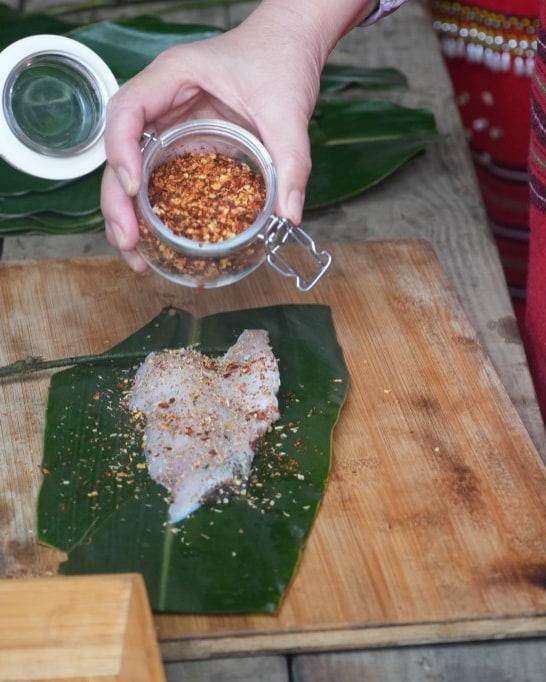
The fish is seasoned and placed inside large leaves.
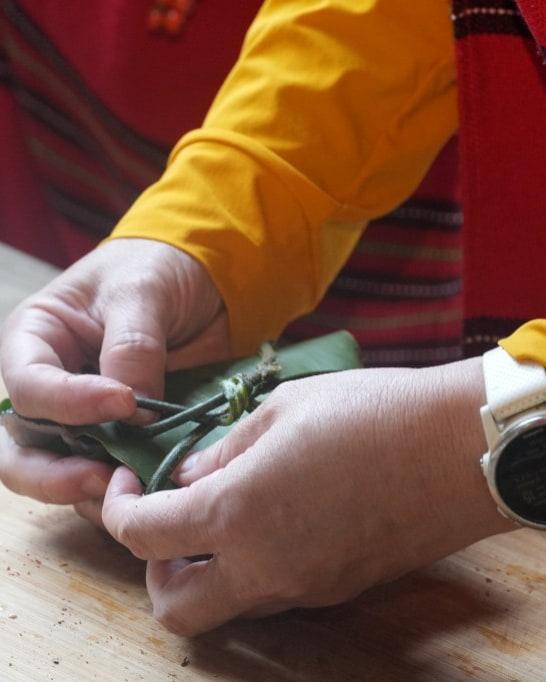
Doing it yourself is another story.
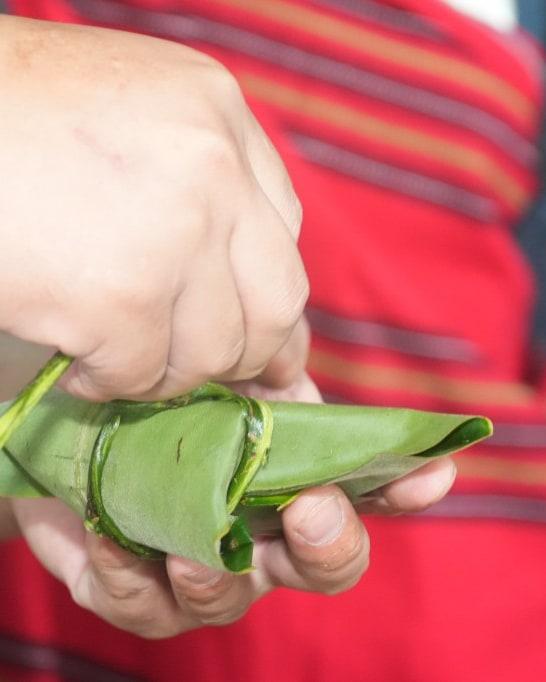
No plastic. No aluminum foil.
Fire, pork skewers and a pot of hot soup
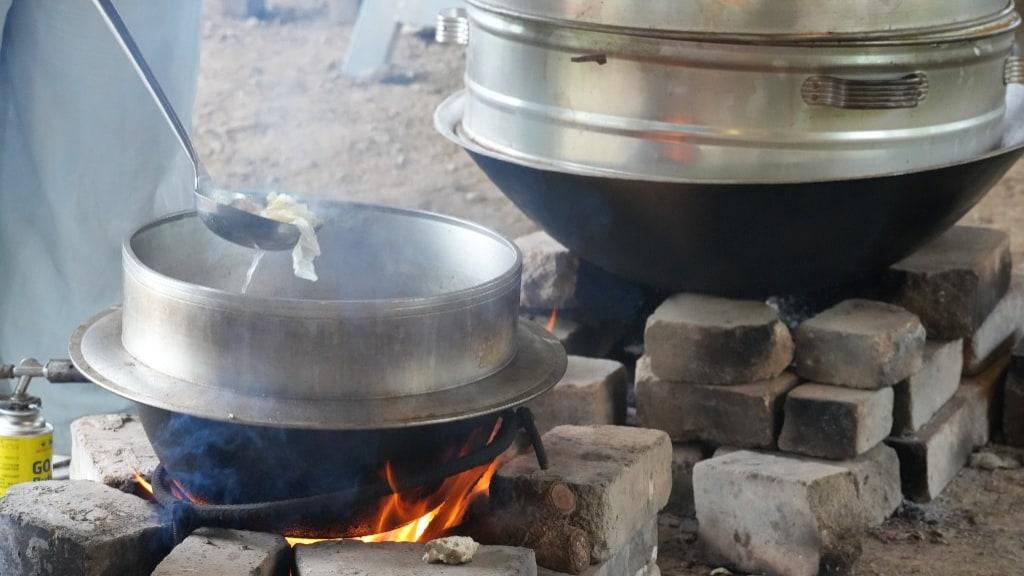
While the Kuni cooks, another group gathers around the charcoal. Pieces of pork are placed on bamboo skewers and slowly grilled over the glowing fire. Smoke drifts everywhere. Everyone keeps checking their skewer. Someone inevitably asks: “Is this ready yet?” Nearby, a large pot of soup is simmering over fire. By this point, it becomes obvious that lunch is not something being prepared for the travelers. Lunch is something everyone is helping create.
左右滑動看更多照片
As the leaves darken, everyone moves closer.
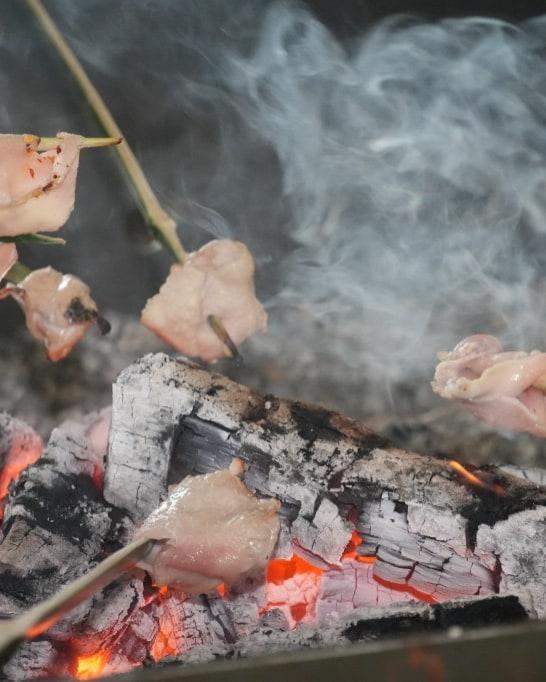
Someone inevitably asks: Is this ready yet?
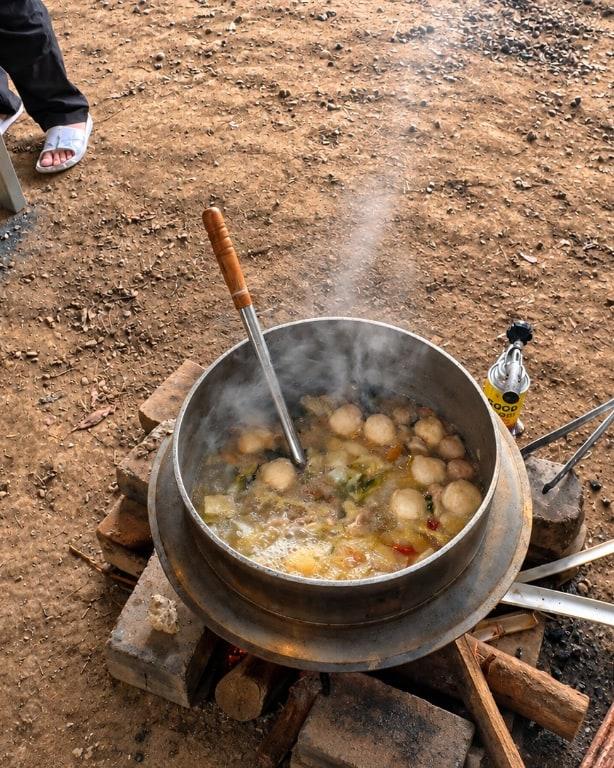
A large pot of soup simmers nearby.
The meal begins to make sense when the stories begin
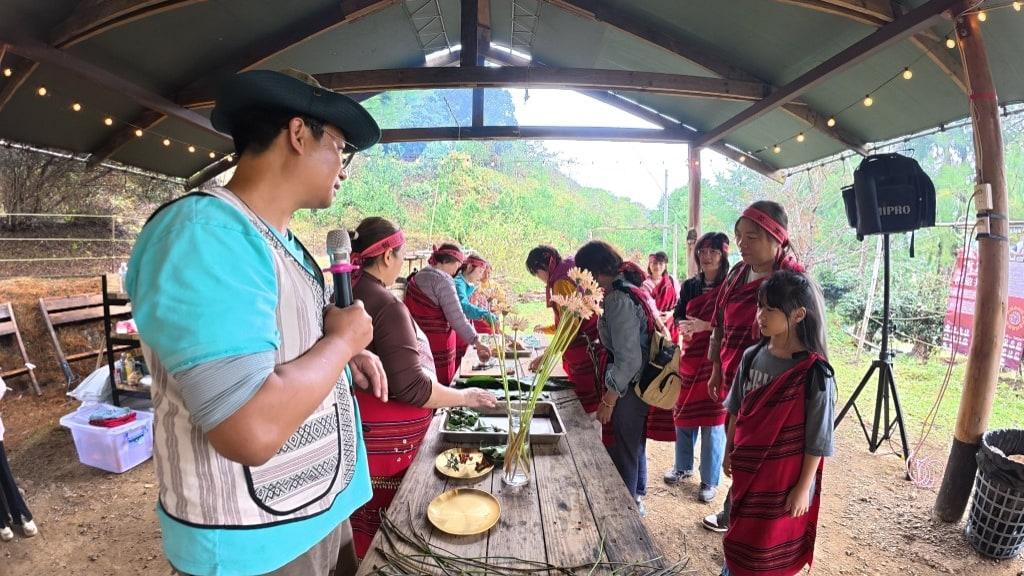
Once everyone finally sits down, Mr. FESU begins introducing the food. Not simply the ingredients. But why people in Xuewunao cooked this way. How plants were used. How food was carried into the mountains. How everyday meals were connected to work, family and the surrounding landscape. A dish that tasted good a minute ago suddenly becomes something more. You start to understand where it belongs.
Even the pizza contains the landscape we just walked through
Then pizza dough appears. At first, it feels unexpected. Pizza in an Atayal cultural experience? But the answer is sitting right beside us. Earlier in the day, travelers had gathered: maqaw leaves and fruit from huocimu, a native Taiwanese plant. Instead of simply learning their names on a guided walk, we put them directly onto the pizza. Suddenly the plant you saw outside is no longer just something a guide pointed at. It becomes part of lunch. Mr. FESU's pizza dough was also unexpectedly good: crisp on the outside and soft inside. With the aroma of local plants on top, the pizza feels less like an extra workshop and more like a way of tasting the landscape we had just walked through.
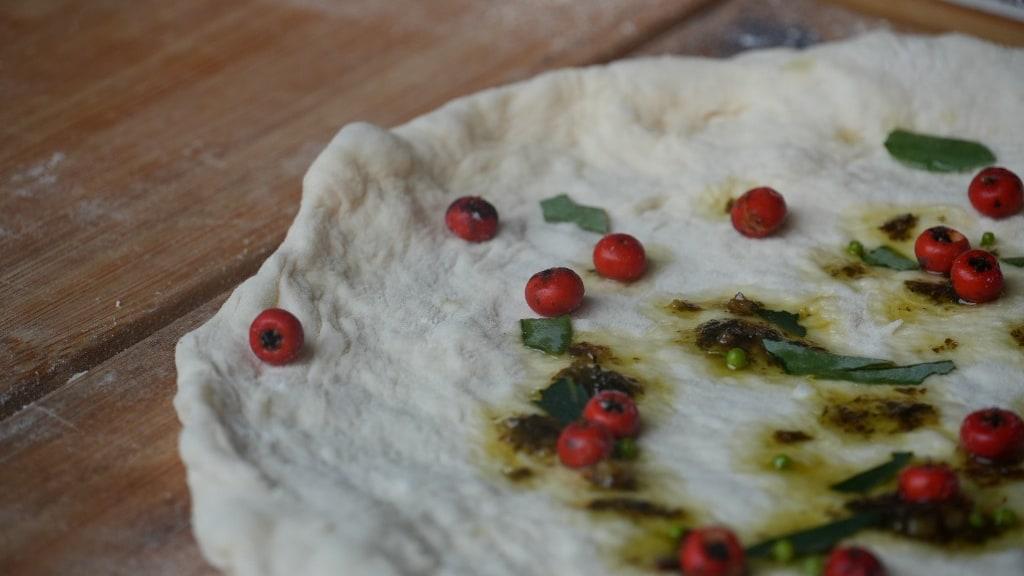
And then someone starts roasting oranges
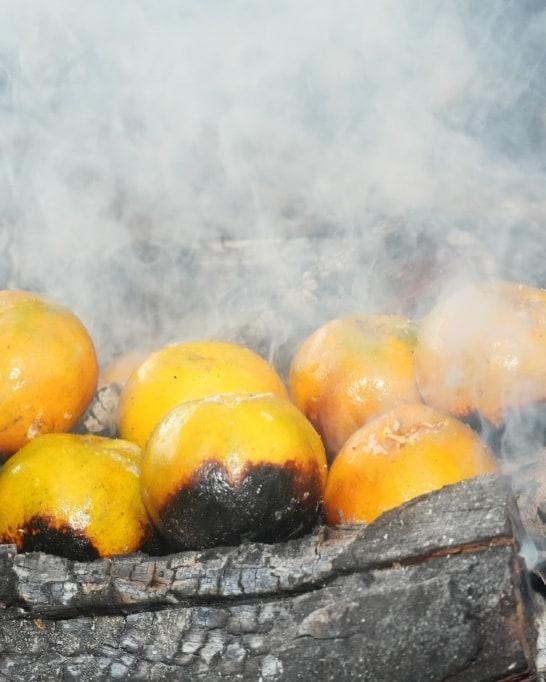
Just when it feels like every possible food experience has appeared, oranges are placed beside the charcoal. Their skins slowly darken in the smoke and heat. It is simple. Almost ordinary. But in the mountain air, beside the fire, it becomes one of those small moments people remember.
Two stories stayed with me longer than the food
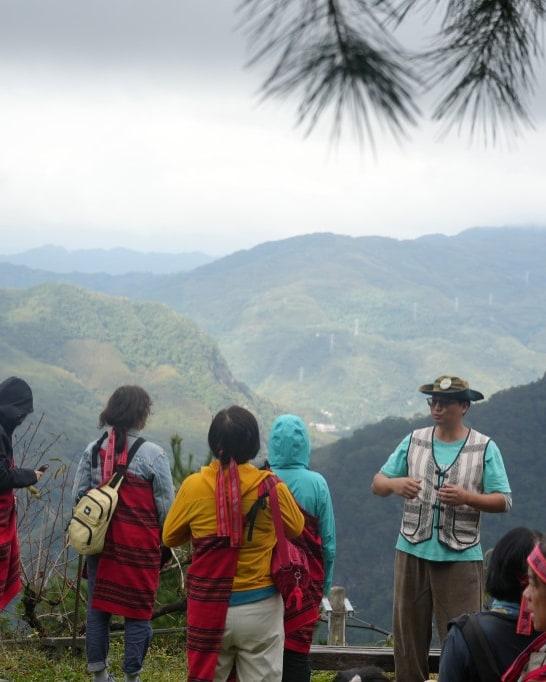
The food was memorable. But two stories stayed with me even longer. At one point, Mr. FESU brought the group to a small hillside and pointed toward the distance. “You can see the school from here.” It was Gaopo, where he went to elementary school. He explained that from first grade he had to stay at school, because walking home could take more than an hour. Suddenly the mountain distance in front of us felt very different. Today it is something we cross by car. For a child growing up here, it was part of everyday life. --- The second story was about mushrooms. Mr. FESU described an earlier period when mushroom production brought substantial income into Xuewunao. Local oral memory even recalls a time when Indigenous residents could travel outside the village and pay by cheque. The sentence immediately creates an image: What must Xuewunao have looked like then? It is a reminder that the village should not only be understood through the modern idea of a “remote community.” It also has a history of industry, trade and local economic strength.
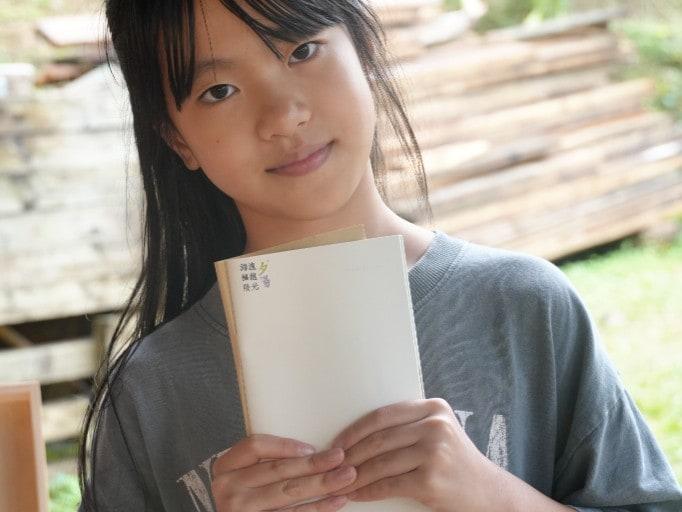
You can see the school from here.
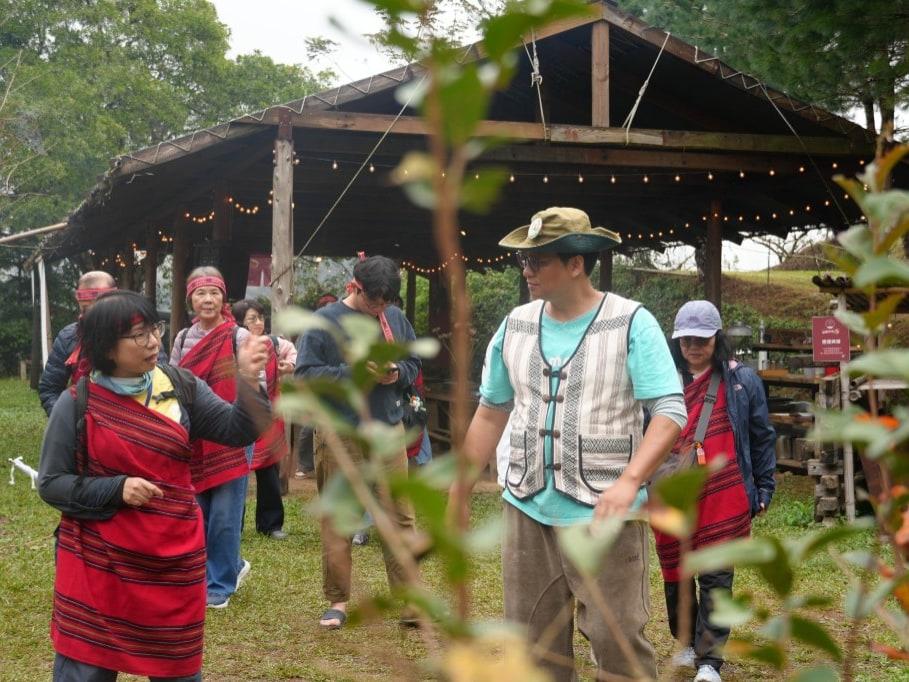
Stories also happen while walking the place together.
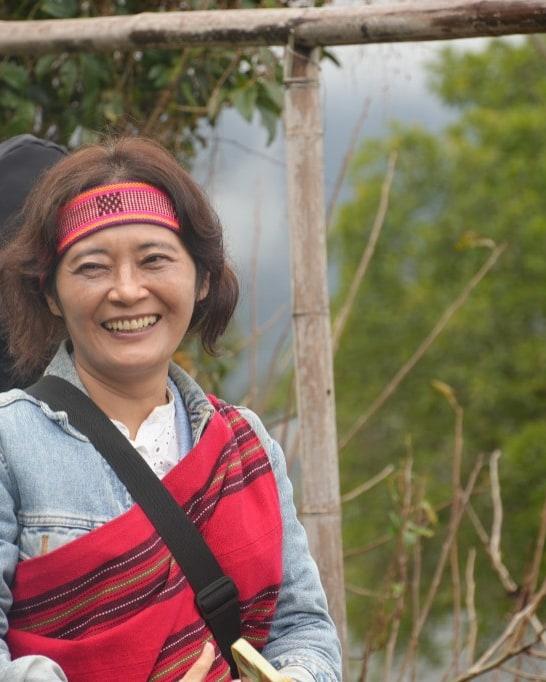
The day leaves room for joy.
Moments that stay with people after the journey.
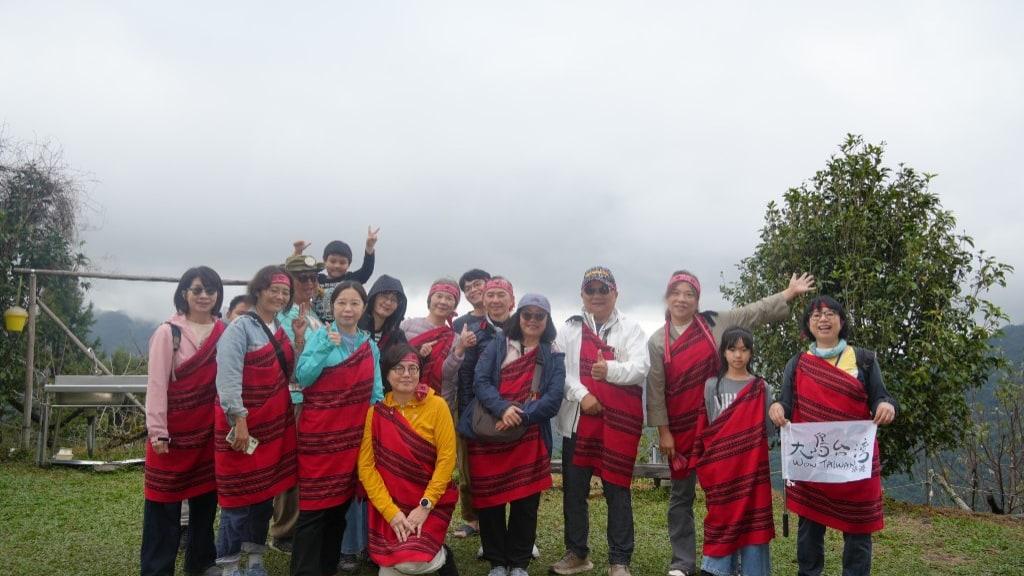
The day ends with everyone shouting: LAQI NA TAYAL!
At the end of the experience, everyone gathers together in front of the mountain scenery, wearing red Atayal woven cloth. Then the group shouts: LAQI NA TAYAL! I am a Xuewunao person! Of course, spending one day here does not make a visitor part of the village. But after catching fish, wrapping Kuni, gathering plants, cooking around the fire, sharing a meal and hearing stories from someone who grew up here, the phrase begins to make emotional sense. For one day, we did more than look at Xuewunao. We participated in it.
And just when we thought it was over, MAGAL appeared
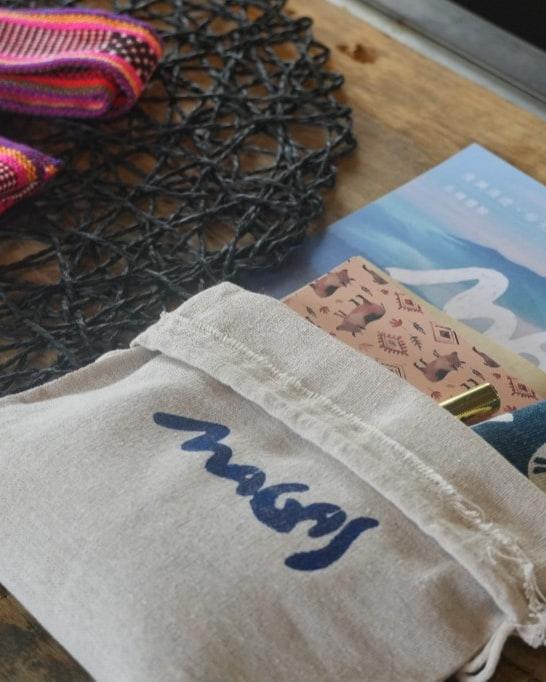
After the group photo, it felt like the day was finished. Then we arrived at Feishu Bukē and found one more surprise. The MAGAL gift set included: - a small fabric pouch - wooden chopsticks - a wooden spoon - a fabric utensil sleeve - a wooden pen - postcards - a journal And finally: the MAGAL poetry-stamp experience. A box filled with wooden character stamps sits on the table. Travelers choose words, combine them and turn the feelings of the day into a short message on a postcard or journal page. After a full day of constant activity, the final moment becomes surprisingly quiet. It asks a simple question: What did you actually take away from Xuewunao today?
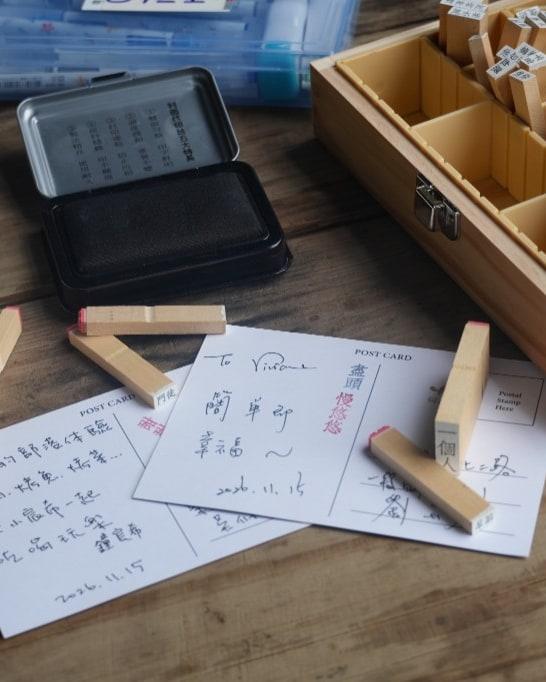
A quiet place to keep the day.
Choose words. Combine them. Leave a message.
I thought we were just coming to catch a fish
That is probably the best way to describe the whole experience. I expected trout and a local meal. Instead there was: Kuni na Qulih. Leaves and vines. Wood-fire cooking. Bamboo-skewer pork. Maqaw. Native plants. Pizza. Roasted oranges. Shared food. Village stories. MAGAL gifts. A journal. Poetry stamps. And one final shout: LAQI NA TAYAL! The experience feels generous because there is so much to do. But what makes it meaningful is not the number of activities. It is that everything eventually leads back to one place: Xuewunao.
Want to experience Xuewunao for yourself?
Step into the trout pond, prepare Kuni, gather around the fire and spend a full day discovering the food, landscape and stories of Xuewunao.
It was playful and full of surprises. But it was also far deeper than expected.
Traveler narrative with Owner-verified field photos; mushroom history is local oral memory shared by Mr. FESU.
Source type: Oral account