
Youth Return / Youth Action
Not Another Training Course, but a Path into the Real Market | What Nantou’s Digital Nomad Initiative Reveals About the Next Stage of Youth Development
From Nantou’s digital nomad and youth-brand results: capacity building works when products enter a real market, and when young owners invest too.
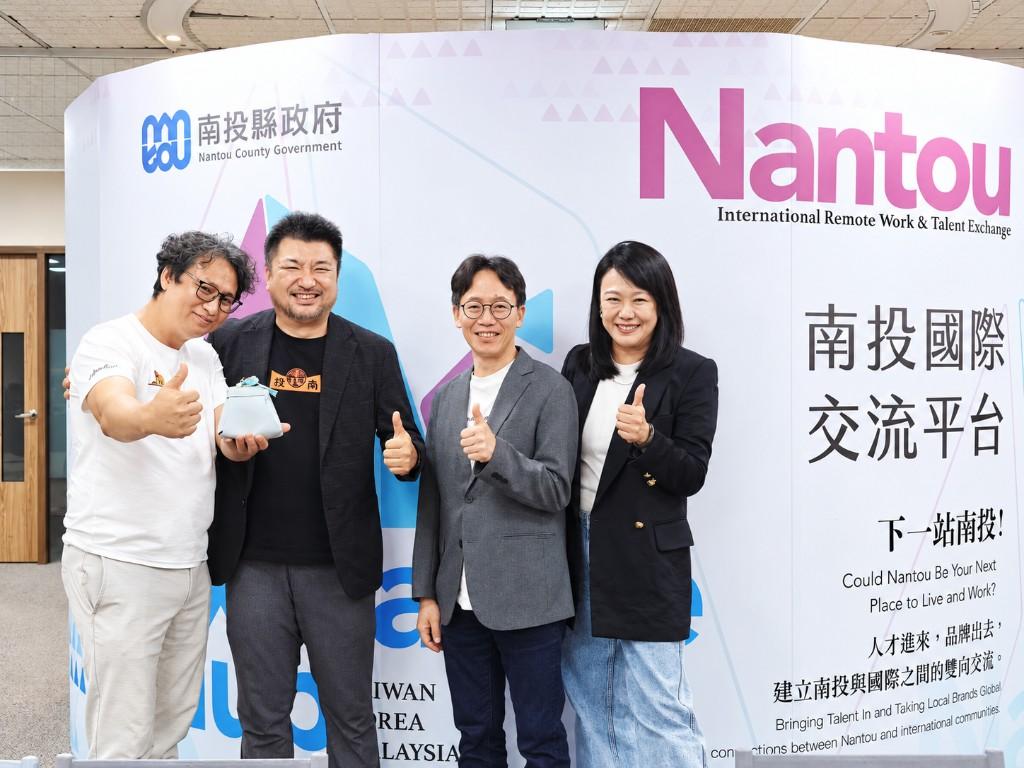
On October 29 in Nantou, a digital-nomad and youth-brand presentation showed a path that sends local brands into a real market, with young owners investing alongside public support.
On the morning of October 29, I was invited by 大美生活提案所 to attend a results presentation at the Nantou County Government, focusing on international digital nomad initiatives and youth brand development.
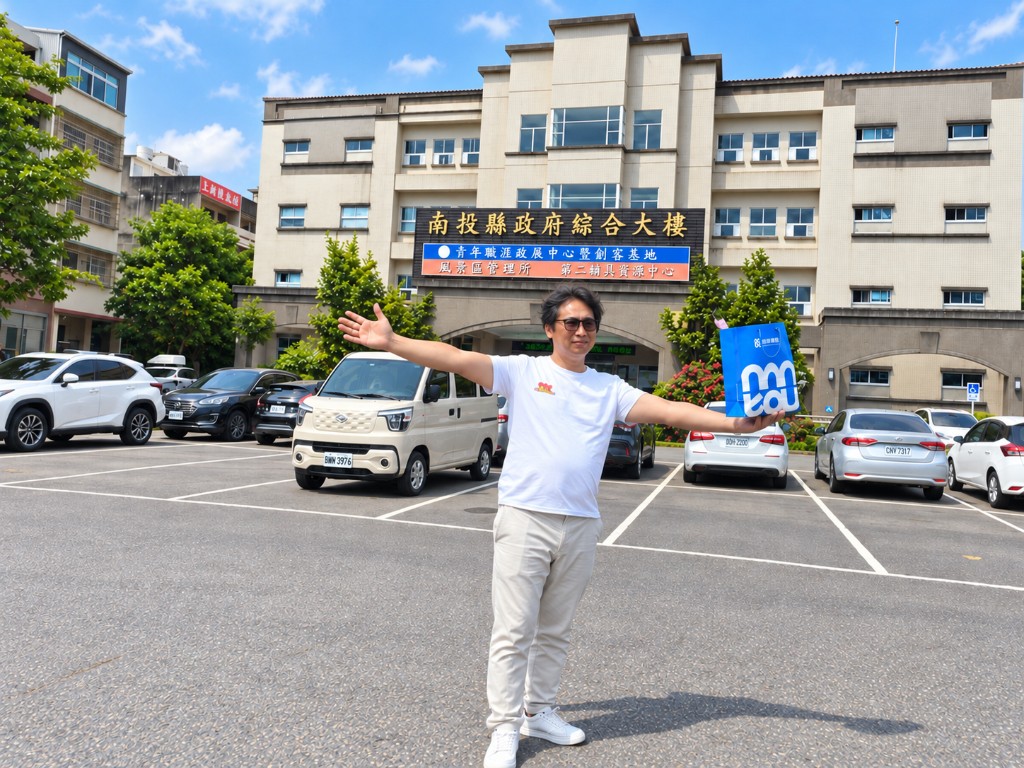
After the event, I stood outside the Nantou County Government complex holding a small gift prepared for participants. But what I really wanted to bring back to Fuxing was not the gift. It was a working model.
When local governments invest in youth development and international exchange, how can those resources actually help a place move forward?
A question stayed with me throughout the day.
Knowing the term “digital nomad” is one thing. Making it work locally is another.
According to the founder of 大美生活提案所, the local digital nomad mechanism was originally proposed proactively to the Nantou County Government. Turning that idea into an operating programme was not simple. Local governments may already understand the term “digital nomad.” The more difficult questions are practical: Why would people choose to come to Nantou? What would make them stay? How do they develop relationships with the place? Beyond accommodation and short-term spending, can visiting professionals, travellers and remote workers actually connect with local youth, businesses and industries? Bringing people into a place is only the first step. The larger question is:
Can outside knowledge, networks and perspectives become resources that local people can actually use?
What I saw in Nantou was the beginning of a two-way mechanism. People from outside come in. At the same time, local young entrepreneurs gain opportunities to move outward.
These young people are not students. They are already business owners.
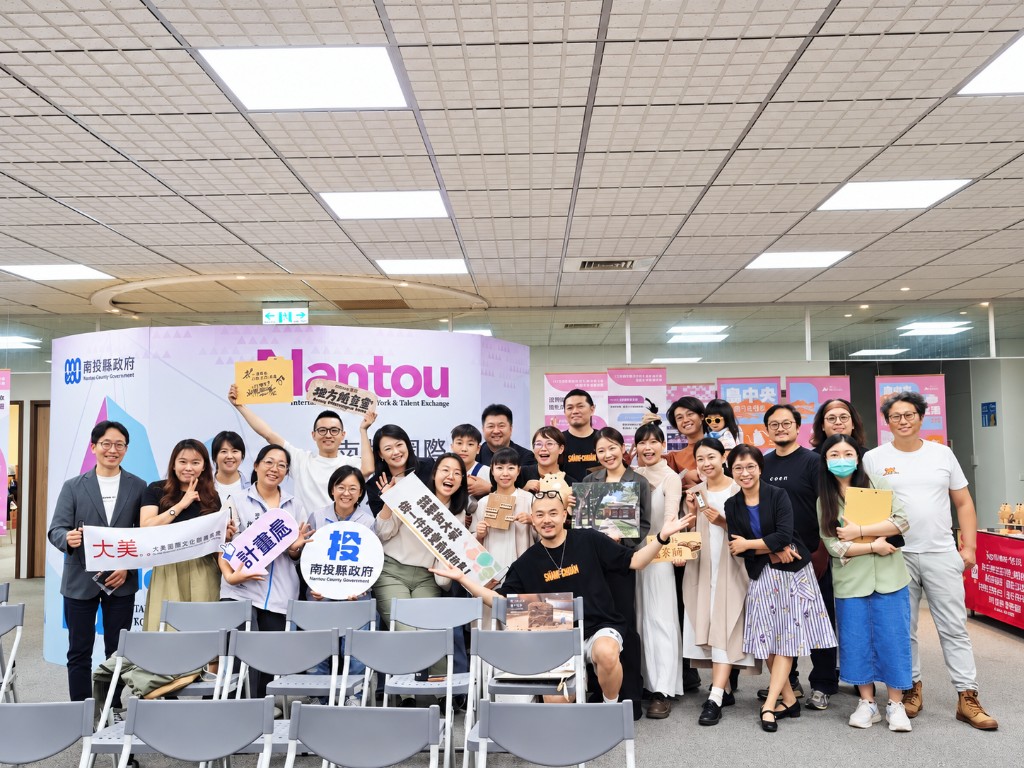
Many participants in this programme were already entrepreneurs, brand owners and operators of micro-enterprises. That distinction matters. They do not need another introductory lecture on entrepreneurship or branding. Their questions are much more immediate:
What exactly needs to change in my product? Can I explain what I do to a stranger in ten seconds? Will my packaging make sense in another market? If I take this product to Korea, will anyone actually buy it?
That is why the programme was built around clear outcomes rather than simply completing courses. Participants worked on ten-second introductions, product descriptions, packaging, brand communication and sales presentation. They discussed. They revised. Then they discussed again. They also received online feedback through networks and professionals connected to Daegu, Korea. The process was not: “Finish one version and move on.” It was: Discuss → revise → discuss again → revise again. The goal was to make each brand more capable of entering a real market.
Sometimes a tea package tells you whether training actually worked
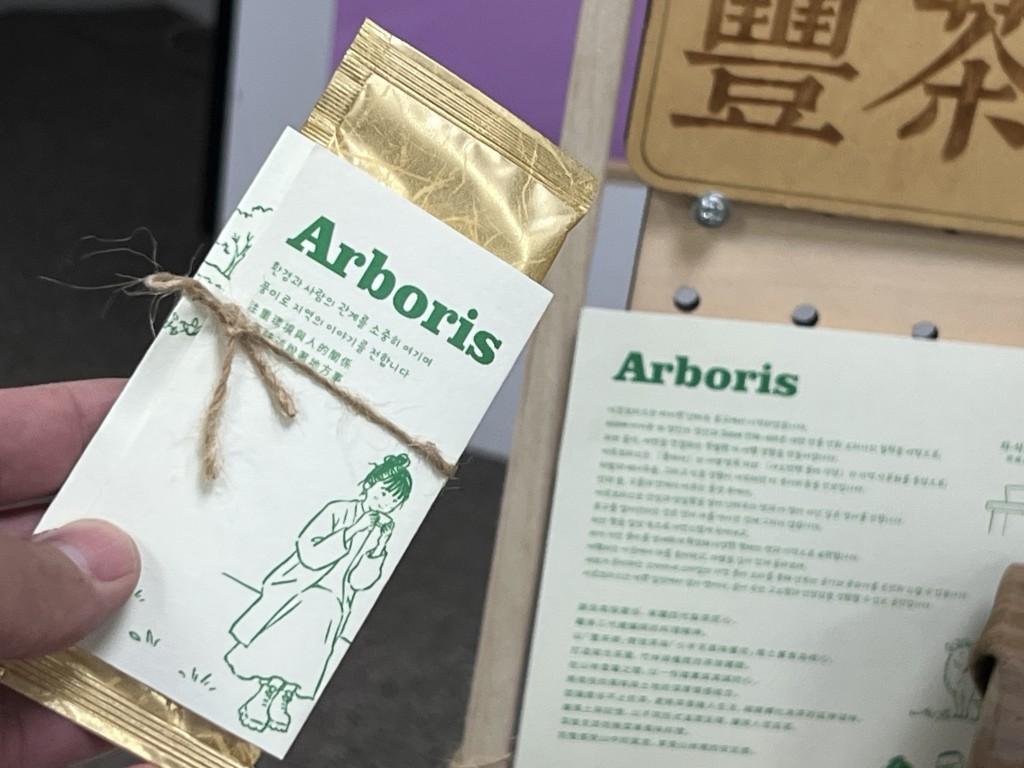
Tea packaging reconsidered, so a stranger can tell what it is in a few seconds.
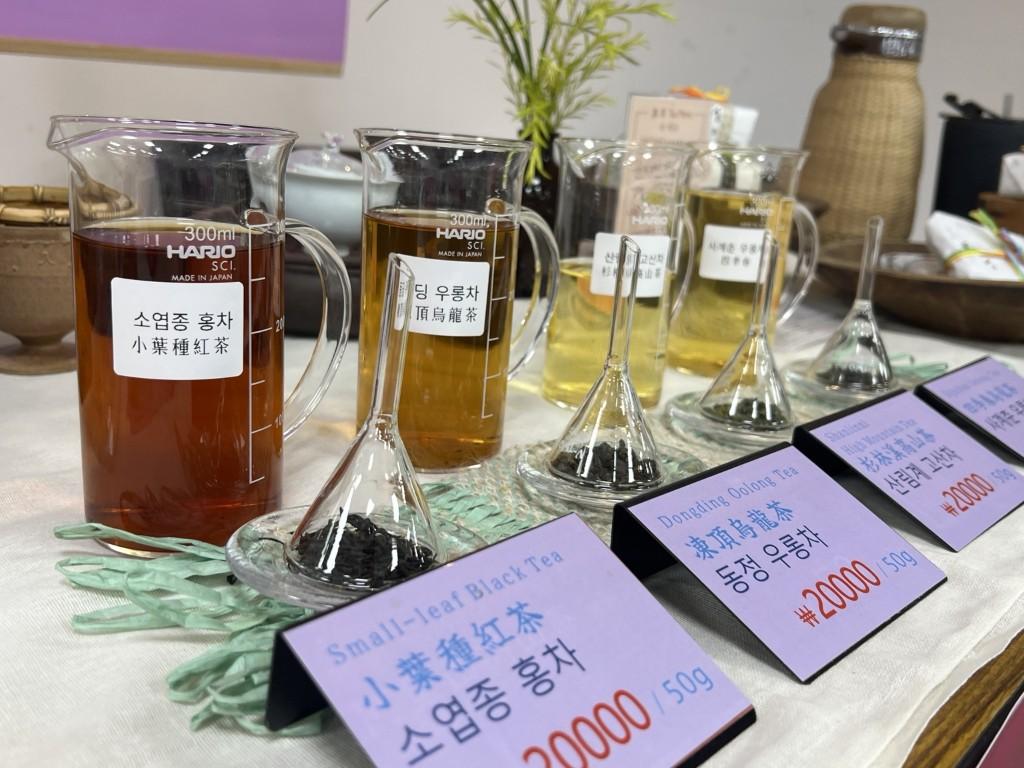
Tea set out in another language. After the package changes, another market still has to understand it.
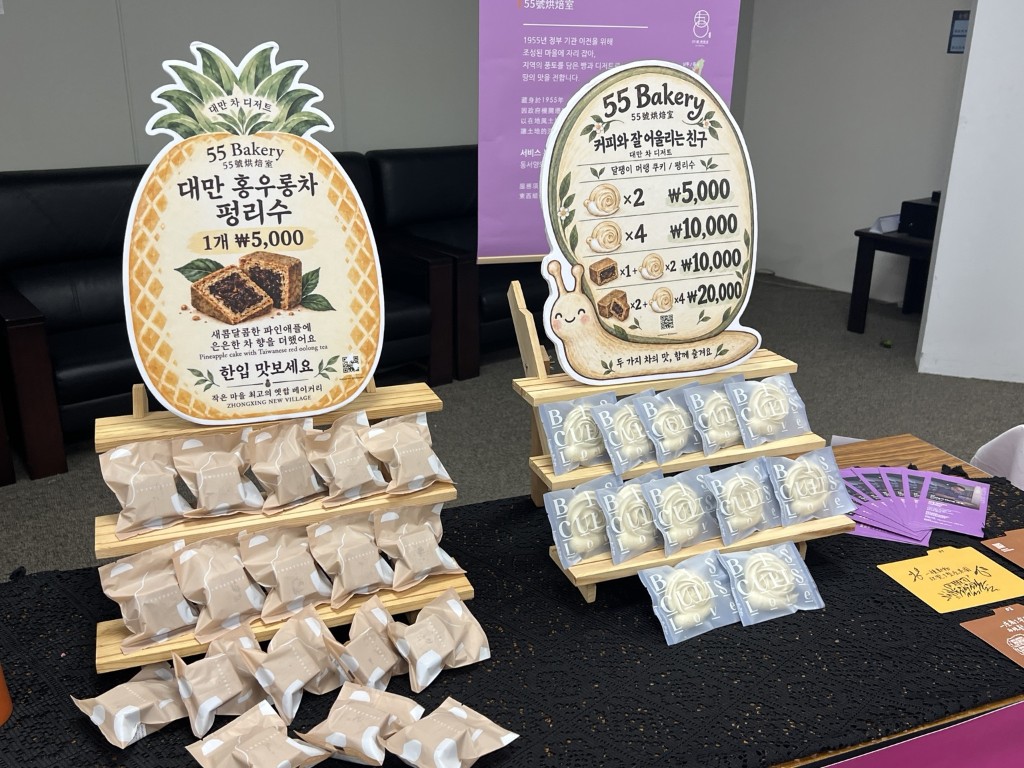
At the exhibition, I documented many of the participating youth brands. Several tea and tea-bag packages immediately stood out. They looked very different from conventional tea packaging. Some had completely reconsidered the format. Others expressed a much clearer brand personality. And some had clearly been redesigned around a simple question: If a customer only looks at this product for a few seconds, will they understand it? These may look like small design changes. But behind them is a deeper shift. The business owner begins to ask:
Who is this product actually speaking to?
That, to me, is what effective capacity building should leave behind. A class ends. A mentor eventually leaves. But a product that has been repeatedly improved and can continue being tested in the market remains.
One of the most important details: going abroad was not fully subsidised
Another part of the mechanism left a strong impression on me. Participants were also expected to invest in themselves. Government resources covered training, professional support and related development costs. But for the trip to Korea, each participant received only around NT$10,000 in assistance, while the remaining travel costs had to be covered personally. At first glance, this may seem less supportive than a fully funded programme. But it creates an important filter:
Are you willing to invest in your own brand?
Participants had to engage seriously in the training. They had to revise their products. They had to invest time. And eventually, they had to decide whether they were willing to spend their own money to test their work in another market. Those who stayed to the end were not necessarily the largest or wealthiest businesses. Many were small, micro-scale brands. What they shared was a willingness to invest in their next step. This is an important lesson for public policy. Perhaps the role of public resources is not always to pay for everything. Instead:
Public resources can become leverage for people who are also willing to invest in making something real.
The most important part of international exchange is not simply “going to Korea”
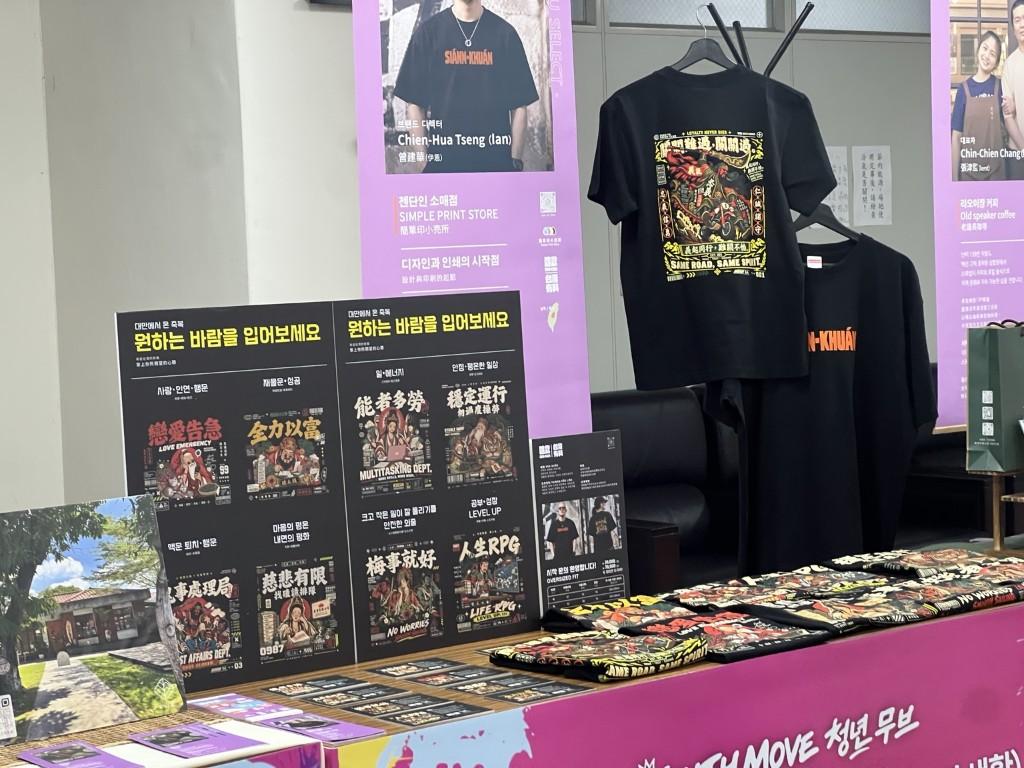
Designs on T-shirts, then placed in another market. The response comes from consumers.
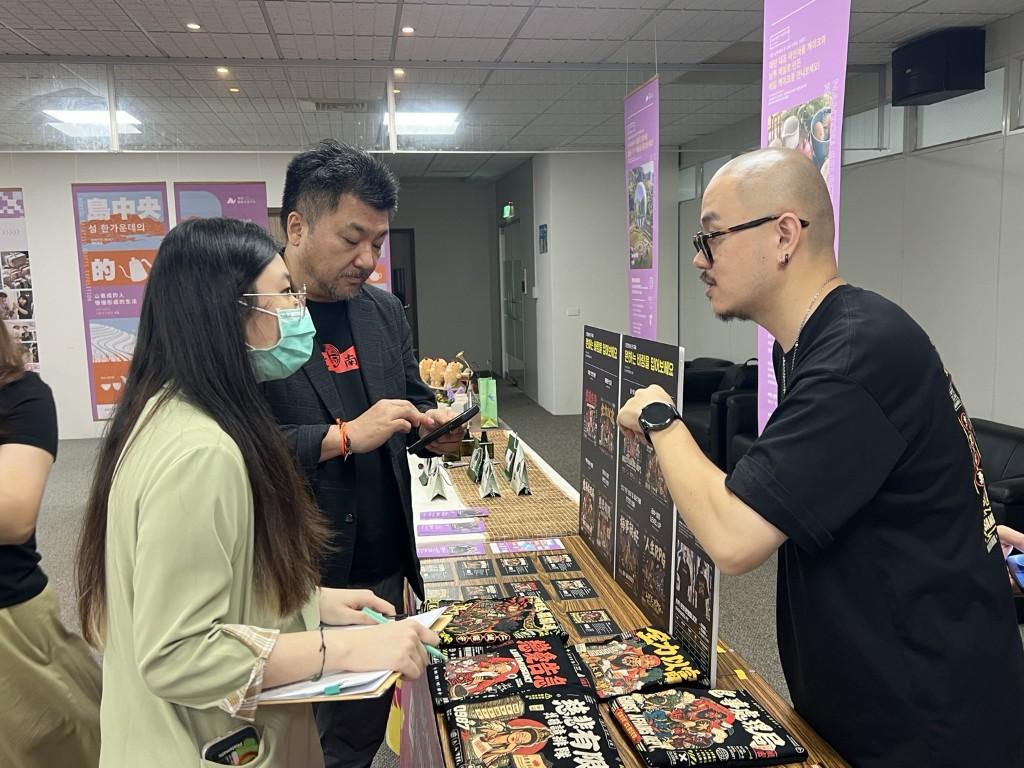
A conversation at the stall. A brand is being tested when a stranger has to understand it.
The participating brands did not travel to Korea only to observe. With support from Station R, Mr. Tian and local partners in Daegu, their products entered a major market environment where they could be seen and purchased by real consumers. That difference is fundamental. A study visit lets you observe someone else’s market. Putting your own product on the shelf lets the market evaluate you. One of the strongest sales performers in the programme was a designer participating for the first time. The designer brought T-shirts with distinct Taiwanese and Minnan cultural elements into the Korean market and received a strong response. It was a useful reminder. We often sit at home and try to guess what international consumers might like. But the real answer only appears when the product enters the market. Consumers tell you.
What young entrepreneurs need is not only training. They need a pathway.
This was perhaps the strongest lesson I took away from Nantou. Youth development should not repeatedly end with: a class, a certificate, a final presentation, a group photo, and then nothing. A more meaningful pathway looks like this: Local practice → Product and service development → Professional revision → Personal investment → Real market testing → International validation → Experience returning to the place It is more demanding. But it is also more real. Because the participants are already business owners. And the final people they need to face are real customers.
This is also what 一起飛未來設計所 is thinking about for 2027
I did not go to Nantou simply to observe whether another programme was successful. The question I care about more is:
Which parts of this model can become useful mechanisms for young people in Fuxing?
一起飛未來設計所 is actively exploring a system that connects local practice with opportunities beyond the district. We want young people to first have places where they can actually build things in Fuxing. Tourism experiences. Products. Brands. Cultural content. Local services. The first step is to make them real locally. Then, with experienced practitioners and mentors, we can continue improving products, packaging, marketing, services and market readiness. Only then does going outward make sense. Not because there is a subsidy available for an overseas trip. But because there is a real question to test:
Can my brand stand on its own in another market?
Government resources can provide leverage. But young entrepreneurs must also invest. Because in this model, there are no students.
Everyone is a business owner.
Going outward should eventually lead to people coming inward
The international development we hope to build is not one-way. If young people and brands from Fuxing can enter Korea, then we should also ask: Can young people from Korea come into Fuxing? Can international visitors enter local communities and everyday life in meaningful ways? Can brands from different places test markets together? Can place-based practitioners from different countries work with young people in Fuxing? The goal is therefore not to build a route that simply “sends young people overseas.” The goal is a cycle: Build capacity locally → Test markets outward → Form new relationships and resources → Bring people, opportunities and value back to the place On the morning of October 29, I saw one version of this mechanism already being tested in Nantou. Later that same day, we brought our Korean partners into Fuxing. To me, these were not separate events. They were part of the same question. A place needs roots. But a place also needs pathways. And the next step for 一起飛未來設計所 is to work with young people in Fuxing to build those pathways, one real step at a time.
Field notes from the October 29, 2026 presentation at the Nantou County Government, edited by PLUWFUN. The account of the training process, the assistance of about NT$10,000, and sales in a Daegu market follows what was shared and observed that day. It is not a contract or a closing report.
Source type: Oral account