
Youth Return / Youth Action
Before Designing a Logo, First Understand Who You Are | The Co-Creation IP Lab Turns Youth Stories into Something They Can Build
Co-Creation IP Lab|Clarify essence, positioning, value, distinction and operation — then turn a story into a first version that can be discussed and built.
The Co-Creation IP Lab is not simply a logo, AI or laser-engraving workshop. Young people begin with their own stories and ideas, clarify the essence, positioning, value, distinction and operation of what they want to build, then use AI to create an early draft and turn selected ideas into physical prototypes.
Co-Creation IP Lab|Clarify essence, positioning, value, distinction and operation — then turn a story into a first version that can be discussed and built.
A young person says: “I have a story, and I want to turn it into a brand.” The next question should not immediately be: “What should the logo look like?” It should be:
What are you actually trying to create? Who do you want to reach? What value does it carry? And how far could it grow in the future?
These are the questions at the heart of the **Co-Creation IP Lab**. As part of the Fuxing Youth Action Program, we did not want this to become another design class built around lectures or software tutorials. Nor did we want a professional designer to simply create a polished image for each participant. Instead, young people brought in something they genuinely wanted to develop. A brand. A local story. A product. An idea for a logo. Or sometimes, just an idea that had not yet been fully organised. And we started by talking about it.
Before designing, ask better questions
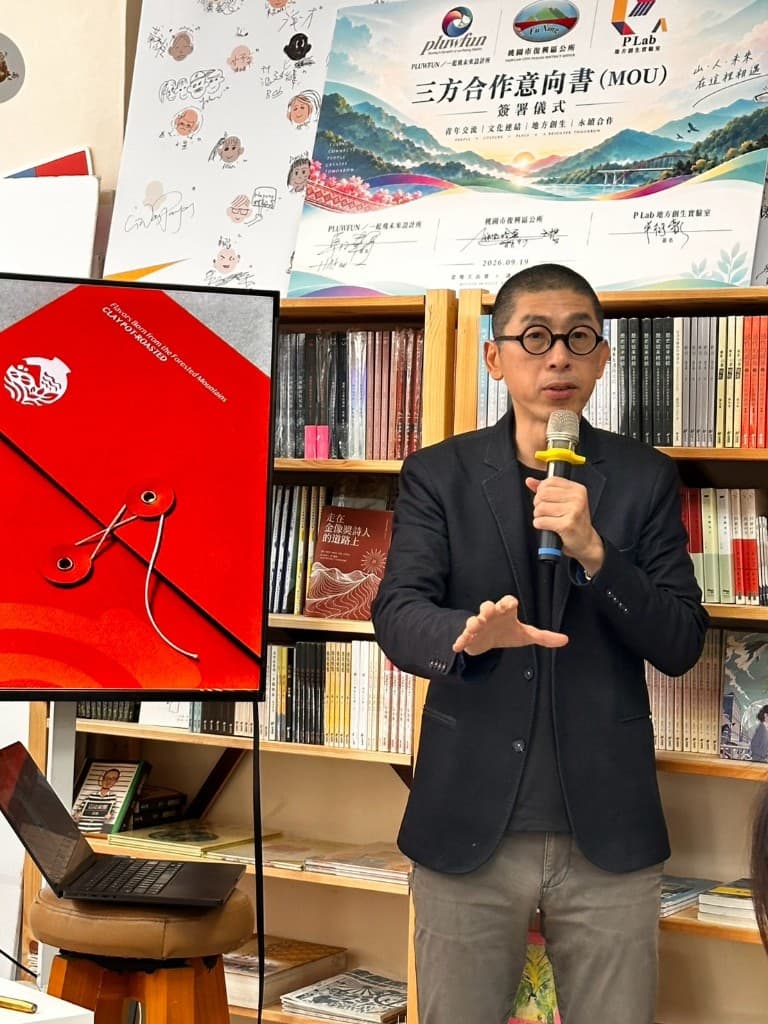
For this session, we specially invited **Professor Su Wen-Hsiang from the Department of Commercial Design at Ming Chuan University** to guide the youth participants. Professor Su’s experience in commercial design extends far beyond the classroom. He has been involved in numerous real-world commercial collaborations as well as design projects related to local revitalization and place-based development. Rather than beginning with software operation or design tools, he first listened carefully to what each participant wanted to create. From there, he helped them clarify their ideas, understand the direction behind their brand, and identify the questions that needed to be answered before moving into the design process.
Essence, positioning, value, distinction and operation.
Once these five areas become clearer, the logo, visual identity, packaging and even future products can begin moving in the same direction.
1. Essence
What are you really trying to create?
2. Positioning
Who is this brand, product or design meant to communicate with?
3. Value
Why would someone care about it, and what should it leave behind?
4. Distinction
If similar products already exist, what makes yours different?
5. Operation
Once it exists, how will it actually be used, extended or developed into a product, service or brand? Without clarity around these questions, it is easy to begin drawing too early and end up with nothing more than a visually attractive image. But a good-looking image is not necessarily a brand that can grow.
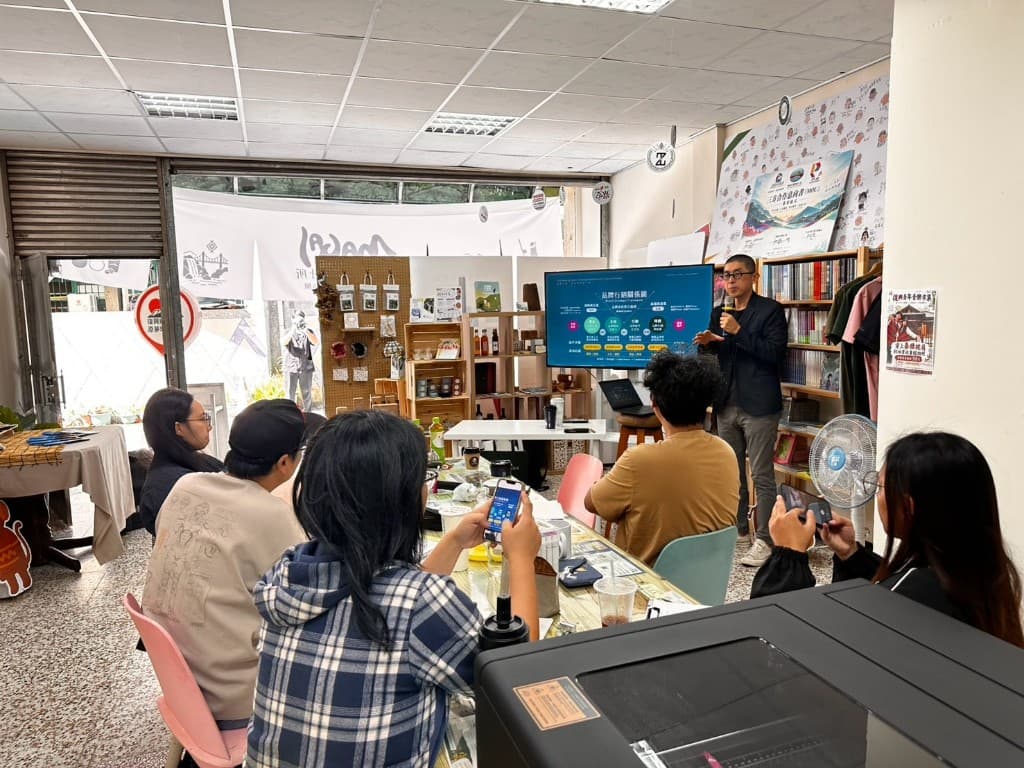
Design begins by clarifying the brand’s essence, positioning, value, distinction and operation — not by drawing first.
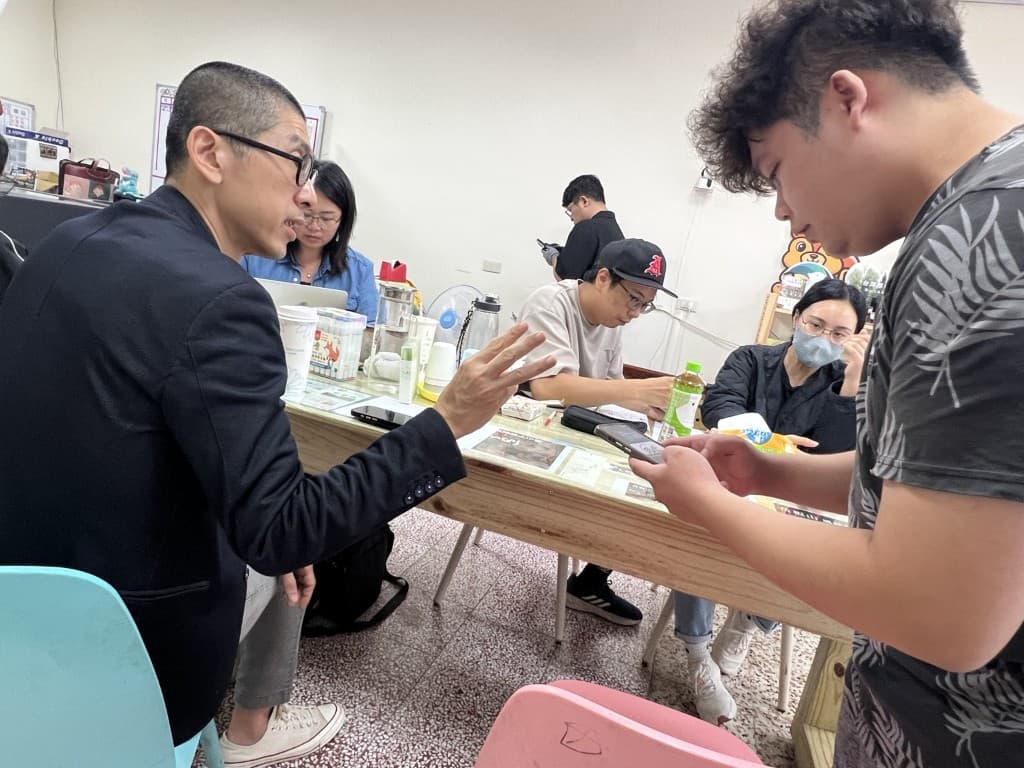
Young participants brought their own ideas into the conversation and worked with the instructor to identify the next questions to solve.
We do not want young people to simply say, “Make it look nicer”
The young people taking part are not professional designers — and they do not need to become designers in one day. The more useful skill is being able to explain themselves clearly when they eventually work with one.
Who am I? What am I trying to make? Where do I want this brand to go? What problem do I need design to solve?
For a designer, the real brief is never simply: “I need a logo.” Behind that logo is a story, a brand vision and a possible future. It might eventually become a product. An event. A service. Or a local brand that continues developing for many years. Once those questions become clearer, design finally has a direction.
AI does not think for you — it helps the first version appear faster
AI was also introduced into the co-creation process. But AI was not treated as the answer. Participants first discussed their ideas with the instructor, clarified the questions and identified the direction. Only then were those ideas translated into information that could be used to generate an early visual concept. Suddenly, something that had existed only in someone’s mind could become a first draft. And once a first draft exists, better questions become possible: Does this actually feel like me? Is it too generic? Which element should stay? Could this still work if it became a product? AI does not replace design thinking. Its value here is reducing the distance between: “I have an idea” and “Now we finally have something we can discuss.”
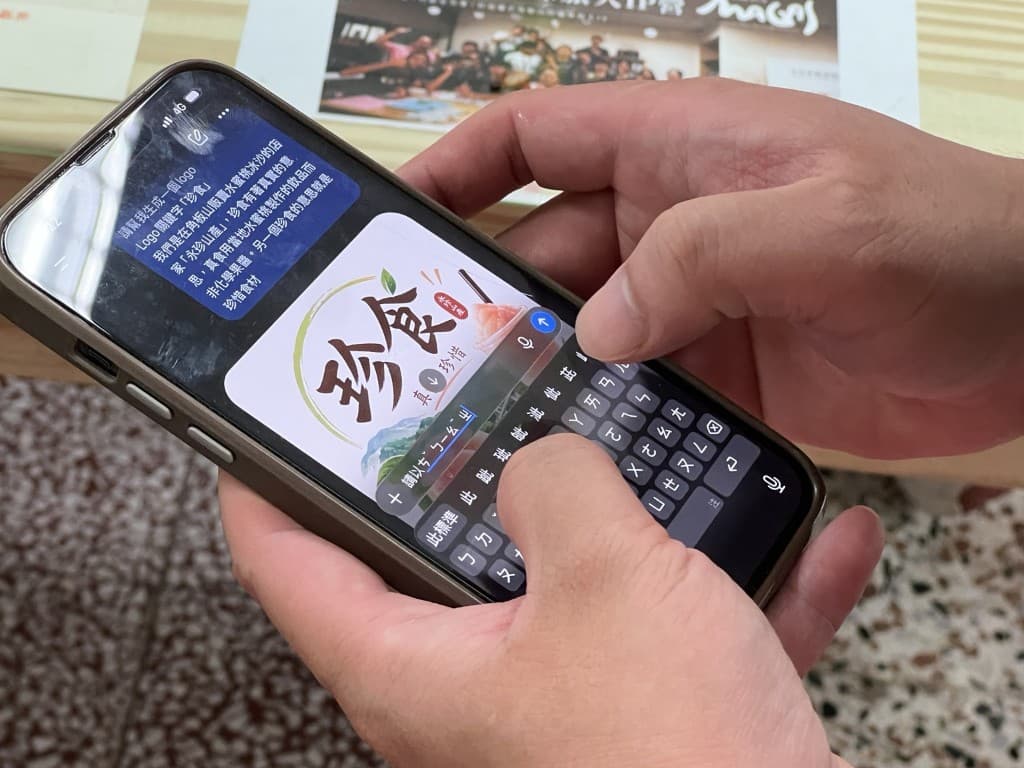
Once the direction becomes clearer, digital and AI tools can quickly turn an idea into a first version that can be discussed.
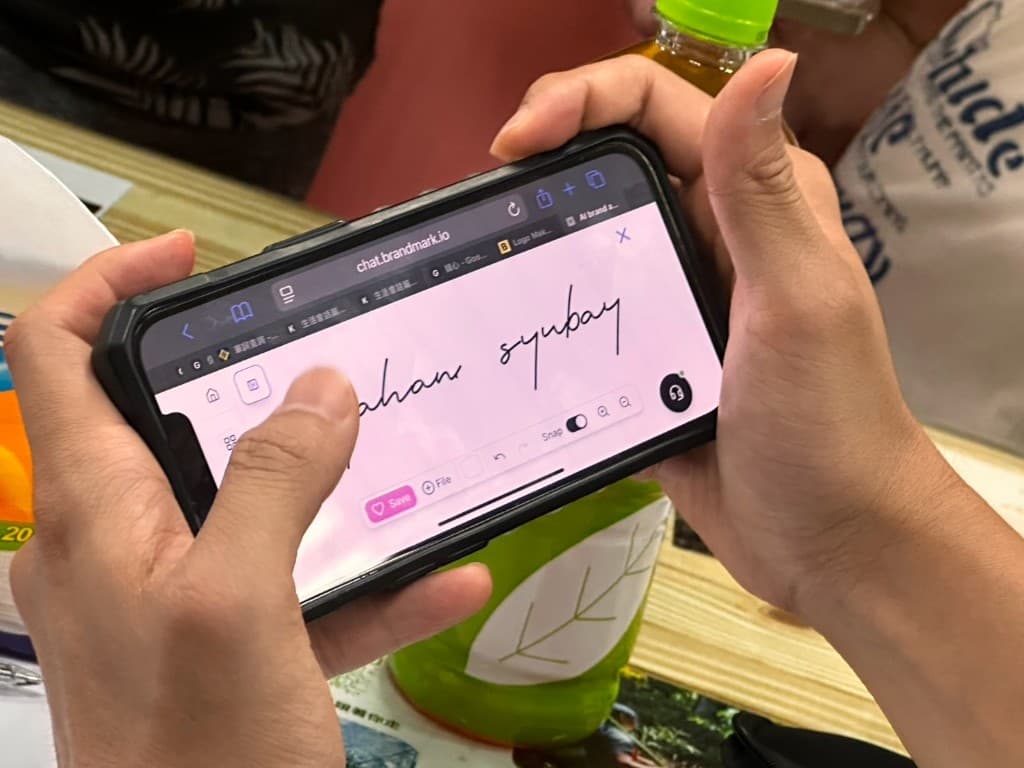
The first draft is not the answer. It is the starting point for seeing, comparing and refining an idea.
From a screen to something you can actually hold
By the end of the day, selected designs were brought into a laser engraving process. An idea moved from a phone screen, to a digital file, and then onto a physical material. Participants could immediately see:
The thing we were just discussing can actually become real.
But the point of the workshop was not to teach laser engraving. The machine was simply the final tool used to test the idea. What mattered was the complete process:
Story → Questions → Brand direction → Design criteria → AI draft → Discussion and revision → Physical prototype
That process is what we mean by co-creation.
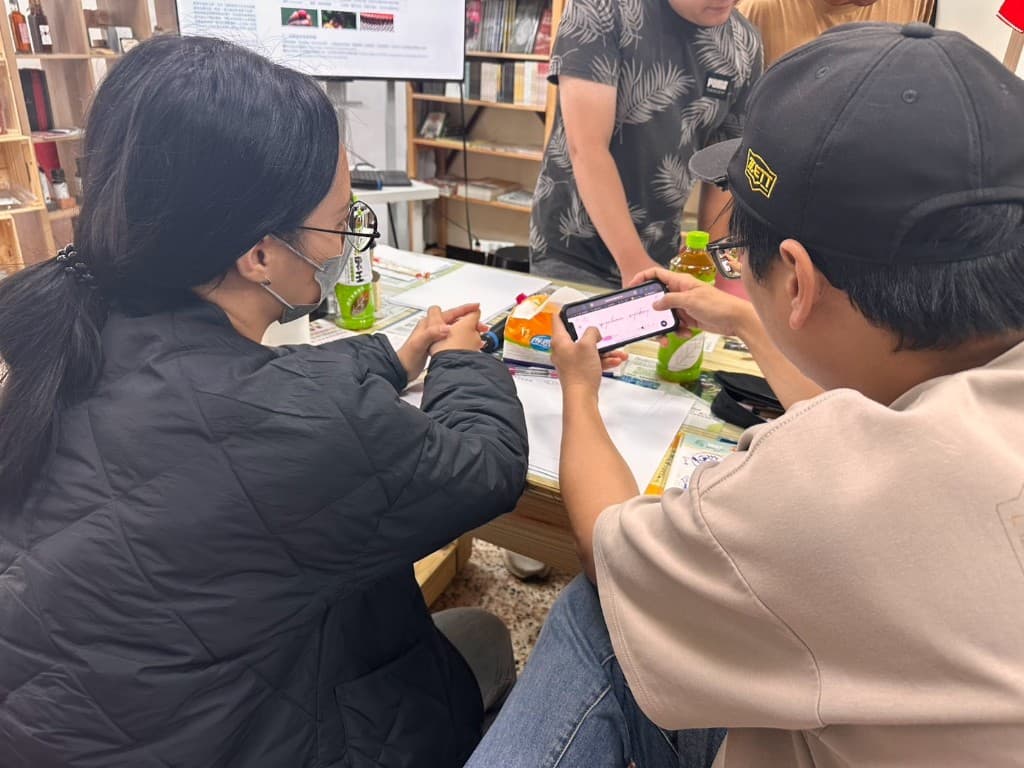
Young people were not waiting for the instructor to provide the answer. The direction became clearer through discussion and revision.
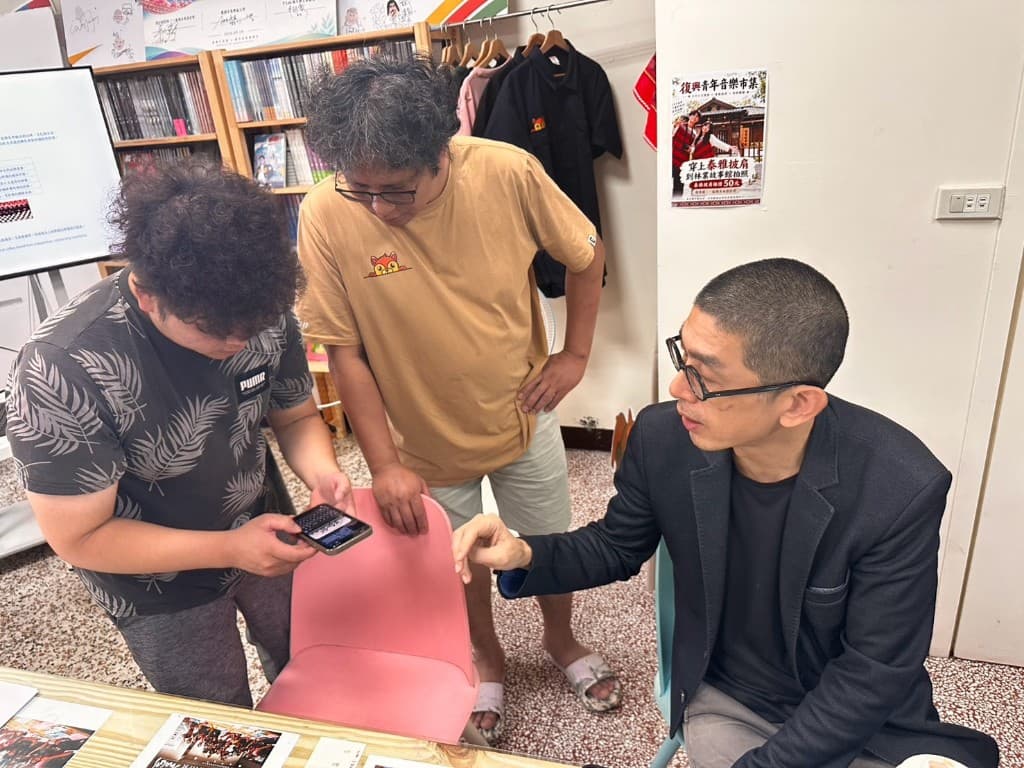
Young people were not waiting for the instructor to provide the answer. The direction became clearer through discussion and revision.
The goal is not only to finish something — it is to learn how to begin
At 一起飛未來設計所, we continue to ask what youth development should actually leave behind. Finishing a piece of work at the end of a workshop is valuable. But an even more important question is: When the instructor is no longer sitting beside them, will young people know where to begin next time? When facing a new product, brand or service, can they ask themselves: What is its essence? Where is it positioned? What value does it create? What makes it distinct? How will it operate? Once a young person begins asking these questions, they are no longer simply “making a logo.” They are beginning to understand how a brand is built.
Tools will continue to change.
Today it may be AI. Today it may be laser engraving. Tomorrow it may be something entirely different. But the capability that remains is knowing:
what needs to be understood before deciding what needs to be designed.
That is the real capability the Co-Creation IP Lab hopes to leave behind.
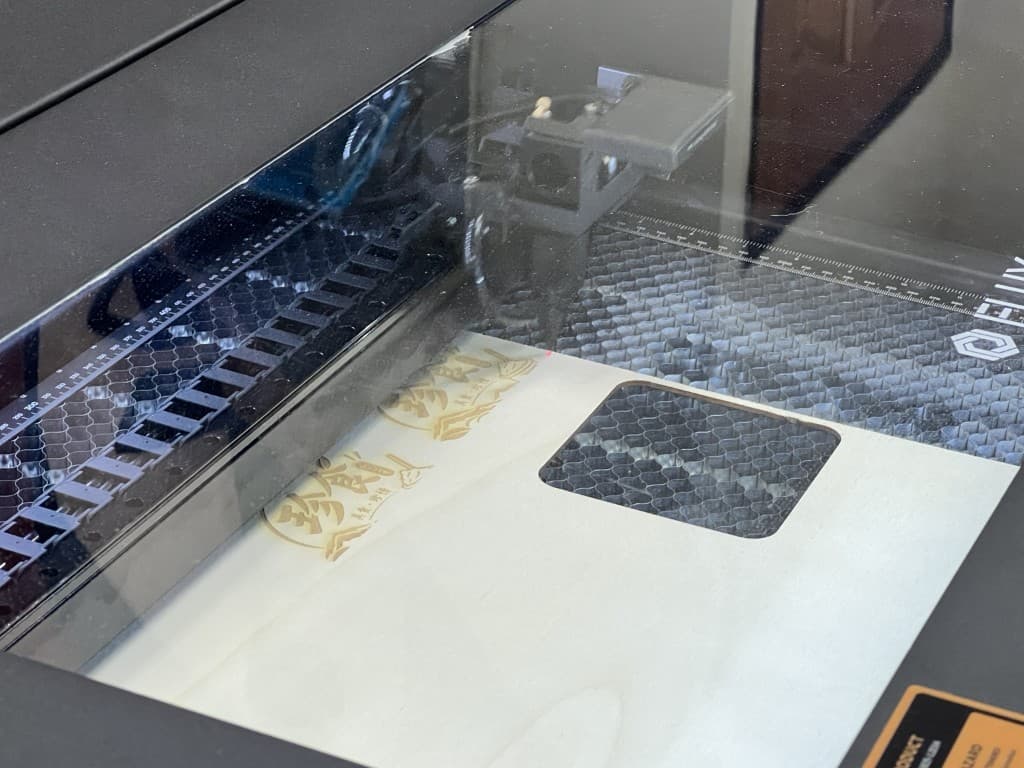
Laser engraving was not the goal of the workshop. It was a way to test how an early design could enter the physical world.
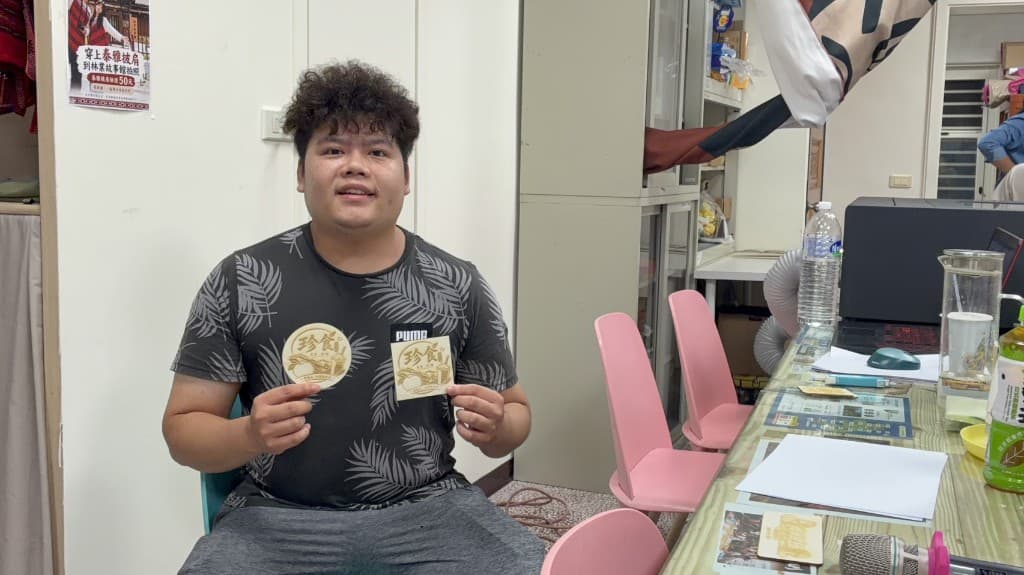
From an idea on a phone to a physical object, participants experienced the full process of turning an idea into something real.
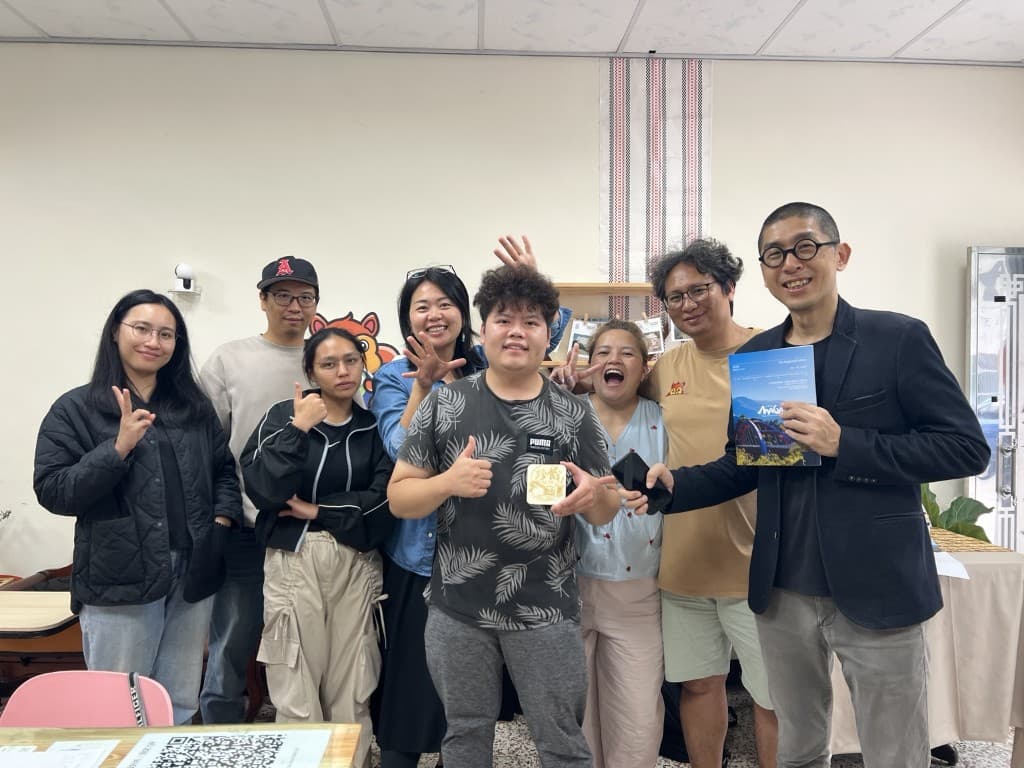
From story and brand thinking to AI drafts and physical prototyping, the Co-Creation IP Lab helped young people experience how an idea becomes something real.
Course Instructor|Professor Su Wen-Hsiang, Department of Commercial Design, Ming Chuan University Guiding Organization|Fuxing District Office, Taoyuan City Implementing Organization|一起飛未來設計所(PLUWFUN)
Essence, positioning, value, distinction and operation.
Public record: Field notes from the Co-Creation IP Lab.
Field notes reconstructed from the co-creation process; not a verbatim transcript.
Source type: Mixed sources
Photography: PLUWFUN