
Culture Stories
Let Music Stay Local | How Fuxing Is Building a Music Culture from the Ground Up
Problem → People → Work → Place → Identity → International
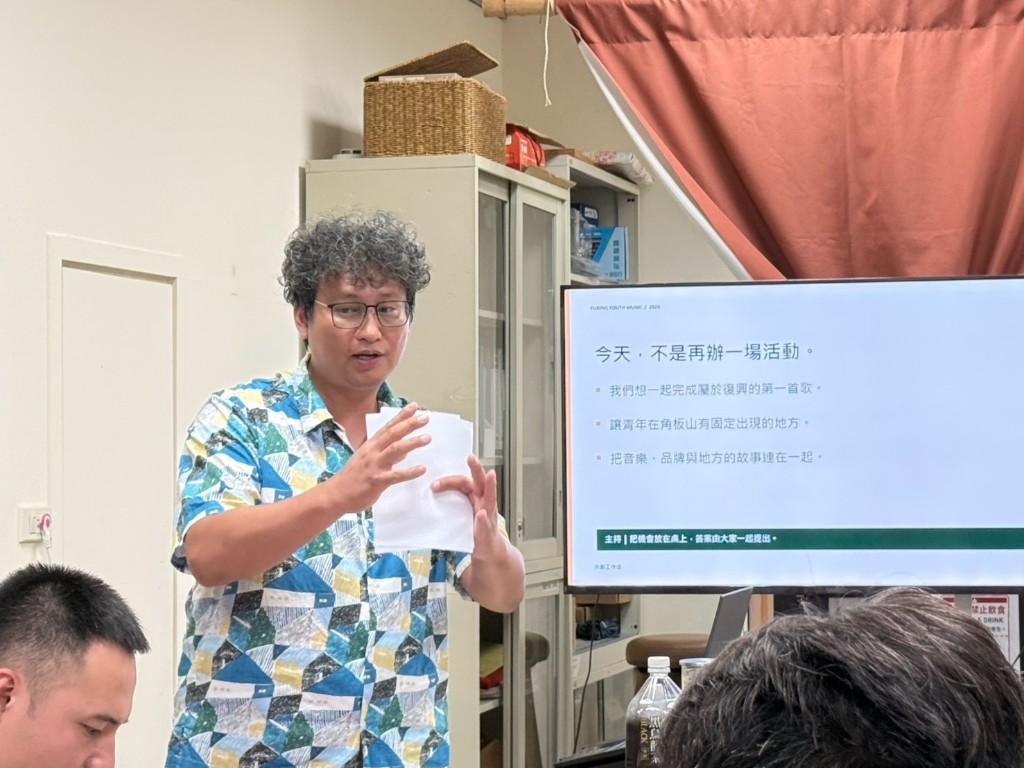
Fuxing is not short of musicians or performances. The deeper question is whether music can continue to exist beyond commercial gigs and one-off events. On October 8, local musicians and young people gathered to explore a path from relationships and creation to place-based practice, local identity and international exchange.
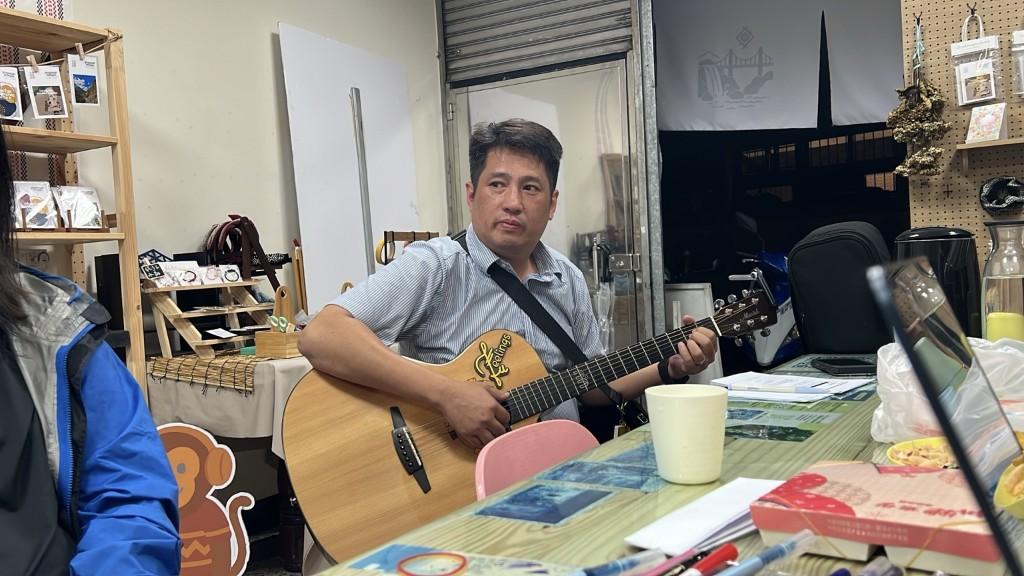
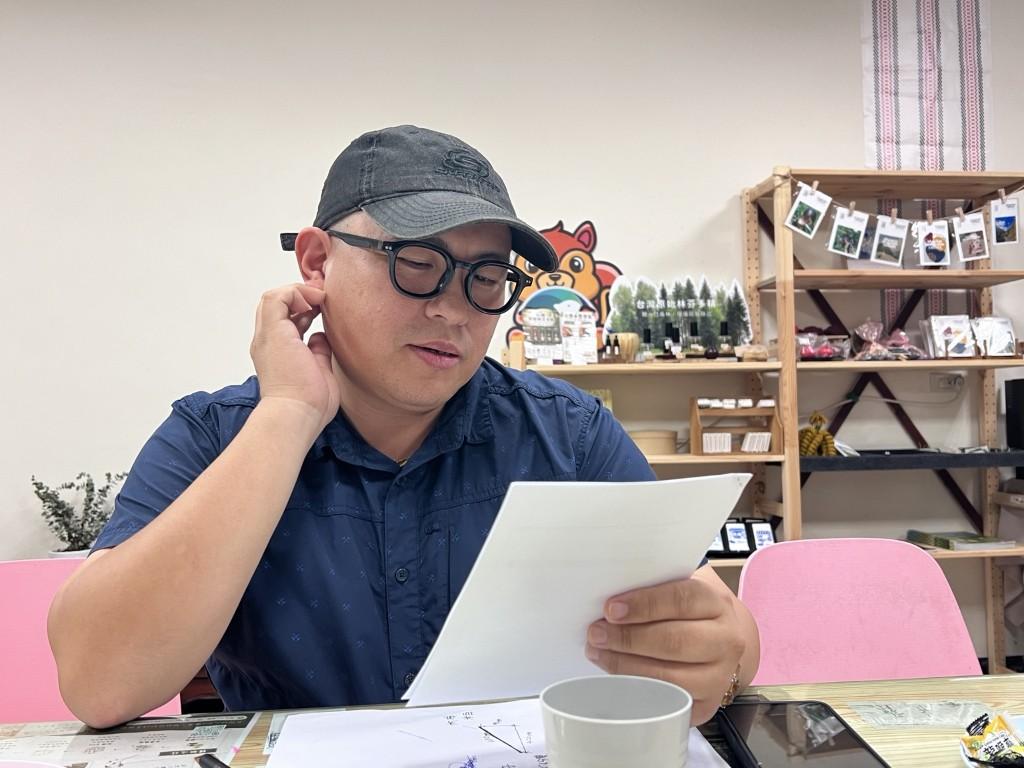
On October 8, a group of musicians and young people from Fuxing sat down together. We did not begin by asking how big the next event should be, or how much budget we had. We began with a problem.
Fuxing is not short of musicians, and it is not short of performances. But too often, music appears only when there is an event, a commercial booking or an invitation to perform.
A stage appears, musicians are booked, the performance ends, and everyone returns to their own lives. If that is the only way music exists, a place may have many talented performers without ever developing a music culture of its own. So the real question was simple: When there is no commercial gig and no large stage, will we still come together to make music? That is where we want to begin.
THE FUXING MUSIC METHOD
- •Problem → People → Work → Place → Identity → International
- •We do not begin with an event. We begin with a real problem, bring people together, create work, test it in a place, allow a local identity to form, and only then carry what has grown outward.
Problem | Music Cannot Become Local Culture If It Exists Only During Events
The difference between a performance and a culture is continuity. A performance may be memorable, but culture does not happen once a year. Culture grows when people keep meeting, creating, exchanging ideas and bringing their own lives, languages and stories into their work. So the issue is not simply that Fuxing needs more stages. The deeper question is whether local musicians have a place they can return to even when there is no event. Can they exchange unfinished work? Can experienced musicians sit with younger creators? Can someone who has just started learning music know that they are not alone? Without those relationships, we will always be waiting for the next event.
People | First, Musicians Need to Find One Another
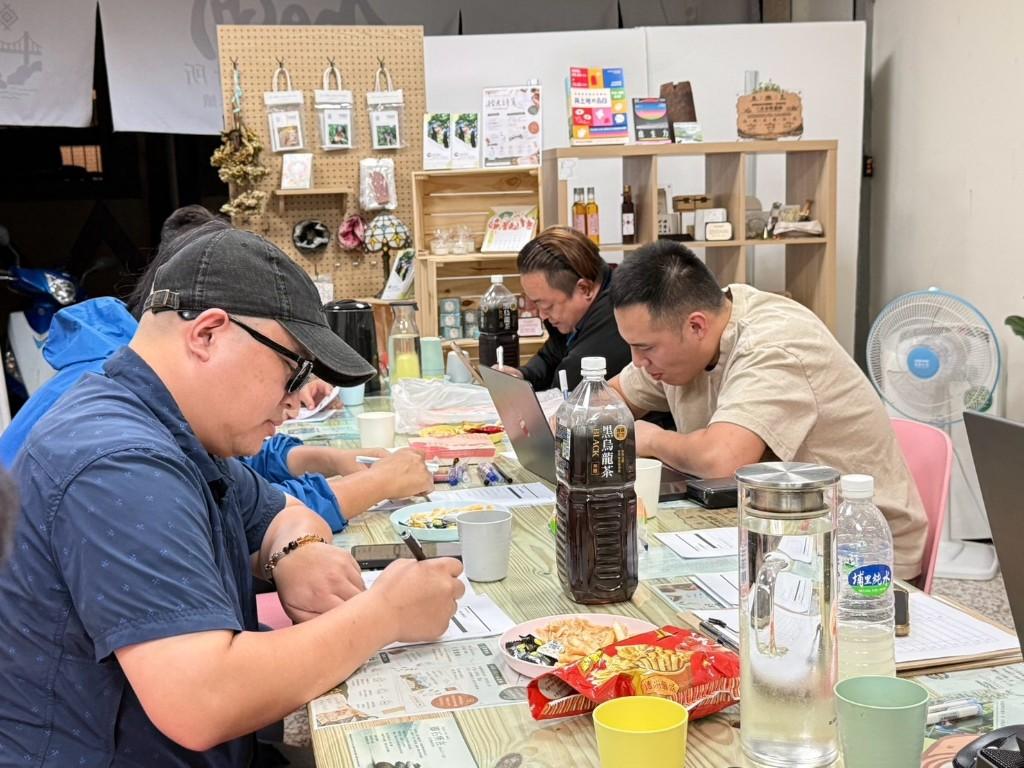
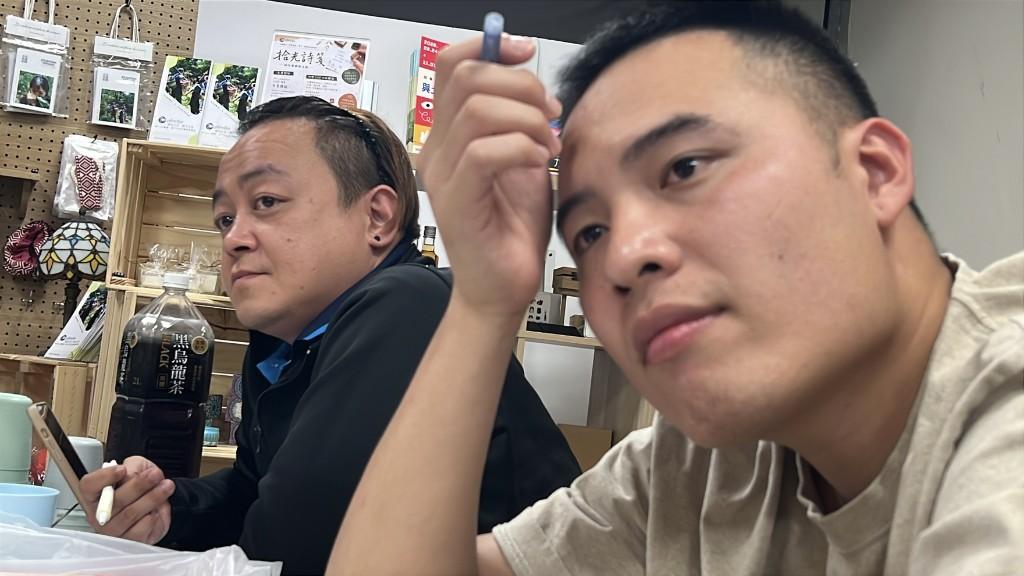
Our first step is not branding. It is not a large music festival. It is people. Musicians, young creators, experienced performers and people who simply love music need a reason to sit together. They can share a demo, talk about what they are working on, ask questions, or simply play music together. When one musician knows who else is creating locally, when a young songwriter knows who they can ask for advice, and when experienced musicians see that another generation wants to continue, music begins to move beyond the individual. It becomes a relationship within the place.
左右滑動看更多照片
Work | Begin with One Song That Belongs to Fuxing
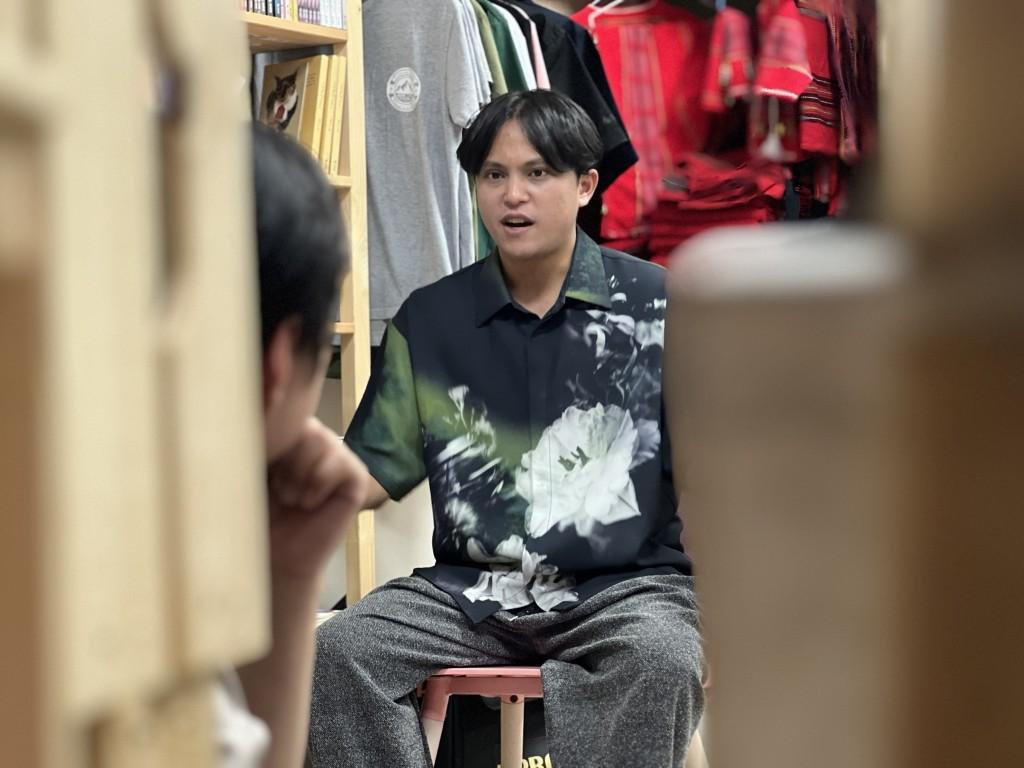
Our second step is to try creating one song together. It does not need to be complicated. We want something simple, memorable and easy to sing together — a song we can sing in Fuxing, and one day carry with us to another city or another country. But the most important part is not finishing a “theme song.” The important part is what we have to ask while creating it. What is Fuxing? What memories do we share? Which local stories, family memories and Atayal words deserve to become part of the song? Some young musicians are already working this way. To write music, they return to elders, ask about family histories, community stories and place names, and begin learning their language again. A memory once held only by an elder can become a lyric. An Atayal phrase can become a melody. At that point, music is no longer only performance. It becomes a way for a new generation to reconnect with its own culture.
Place | Let Jiaobanshan Become Somewhere Music Can Keep Happening
The third step is place. We are not beginning with the idea of building a large professional music venue. Instead, we want to start with Jiaobanshan Visitor Center and gradually make it a place musicians can return to. A new demo can be tested there. An unfinished song can be sung there. A language question can be discussed there. A family story can become the beginning of a new work there. A strong local music culture is not created because one large festival happens every year. It grows because people keep showing up. When music continues to happen, the place itself becomes part of the culture.
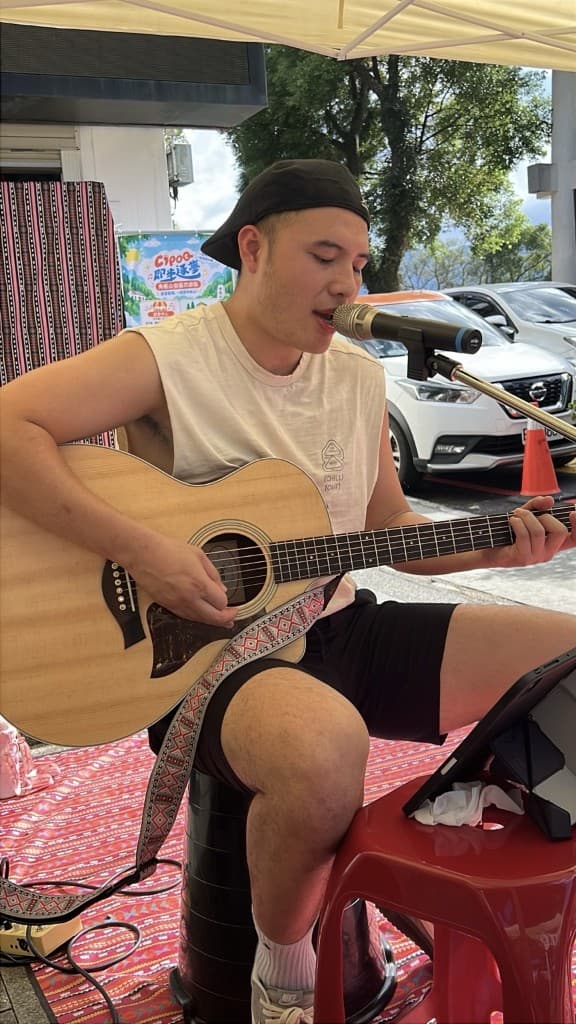
Identity | The Goal Is Not to Make Every Musician the Same
Once people are connected, works are being created and a place continues to host those activities, a shared identity can begin to form. A “Fuxing music identity” does not mean making every musician sound the same. Each person should keep their own style. Some may write in Atayal. Some may create pop, folk or acoustic music. Some may turn family and community stories into songs. What we want to build is the layer above those individual identities: when these musicians appear together, people should know they come from Fuxing, Taoyuan, Taiwan. Fuxing should not be remembered only for mountains, Indigenous communities, peaches or tourism. It can also be remembered for its musicians, its songs, its language and the stories carried through its music.
International | Build Something of Our Own Before We Take It Outward
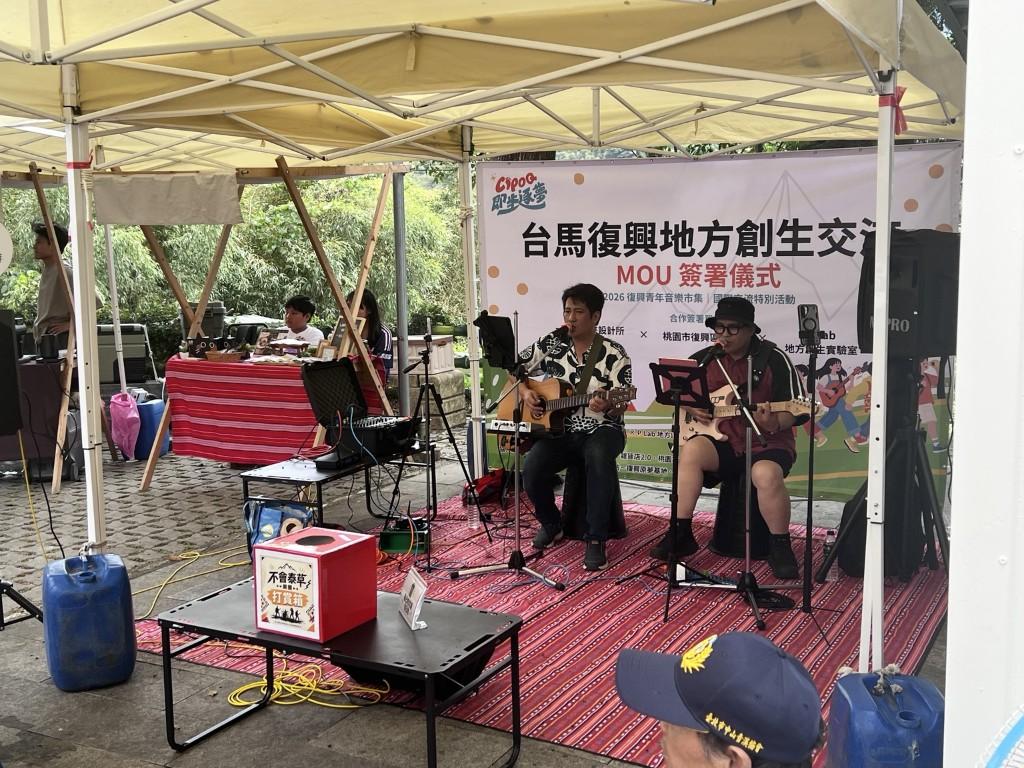
We have already begun building relationships with partners in Malaysia, and links with Korea are gradually taking shape. But one thing has become increasingly clear: international exchange should not begin with going abroad. It should begin with having something of our own to exchange. If one singer goes overseas, that may simply be one performer’s appearance. But if that musician stands on a stage carrying a place, a language, stories, elders, younger creators and a community of people who keep making music together, then they are representing more than themselves. They are also introducing Taiwan, Taoyuan and Fuxing. That is why the small things we are doing now matter. A gathering. An unfinished song. A musician’s card. A demo. A conversation with an elder. One Atayal phrase learned again. These are the things that gradually become the cultural capability we can carry outward.
Our Method | Problem → People → Work → Place → Identity → International
The path we are building is simple: see the real problem first, find the people willing to work on it together, create something, put that work into a real place, let repeated practice form a recognizable local identity, and only then take what has grown outward. This is not a short-term music project. It is an attempt to build a cultural path that can continue over time.
October 31 | Let’s Sing for One Another First
Our next step is small, but important. October 31|6:00–9:00 PM Fuxing Youth Music Gathering This is not a large music festival. If you have a demo, bring it. If your song is unfinished, that is fine. Sing a verse. Play a few chords. Share a story. Or simply come and listen. What matters is not who performs best. What matters is that people who love music begin to know: there is a place in Fuxing I can come back to. I do not have to make music alone. If one day the next young person who loves music no longer has to find their way alone — because there are mentors, peers and a place where music can be shared — then what we are building now will have been worth it. What we want to leave behind is not one event. It is a place where someone will always keep singing.
When there is no commercial gig and no large stage, will we still come together to make music?
Public record: Field notes from a 8 October 2026 gathering of Fuxing musicians and young people.
Source type: Mixed sources